
Folie à Deux: Across the Meridian
The instant portrait archives of pop culture icons by
Your Favorite Internet Friend + Phillip Leeds
August 18, 2026
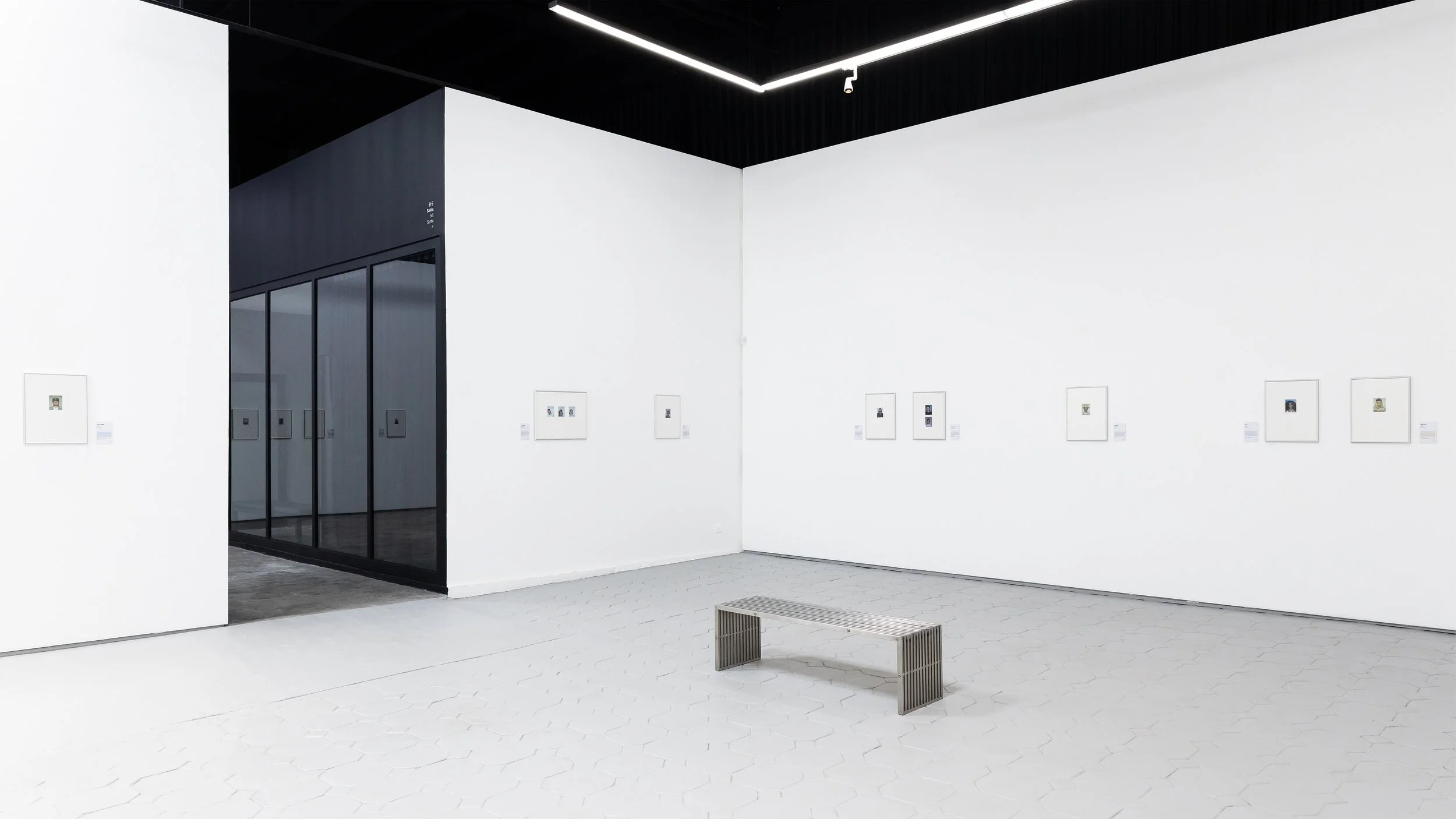
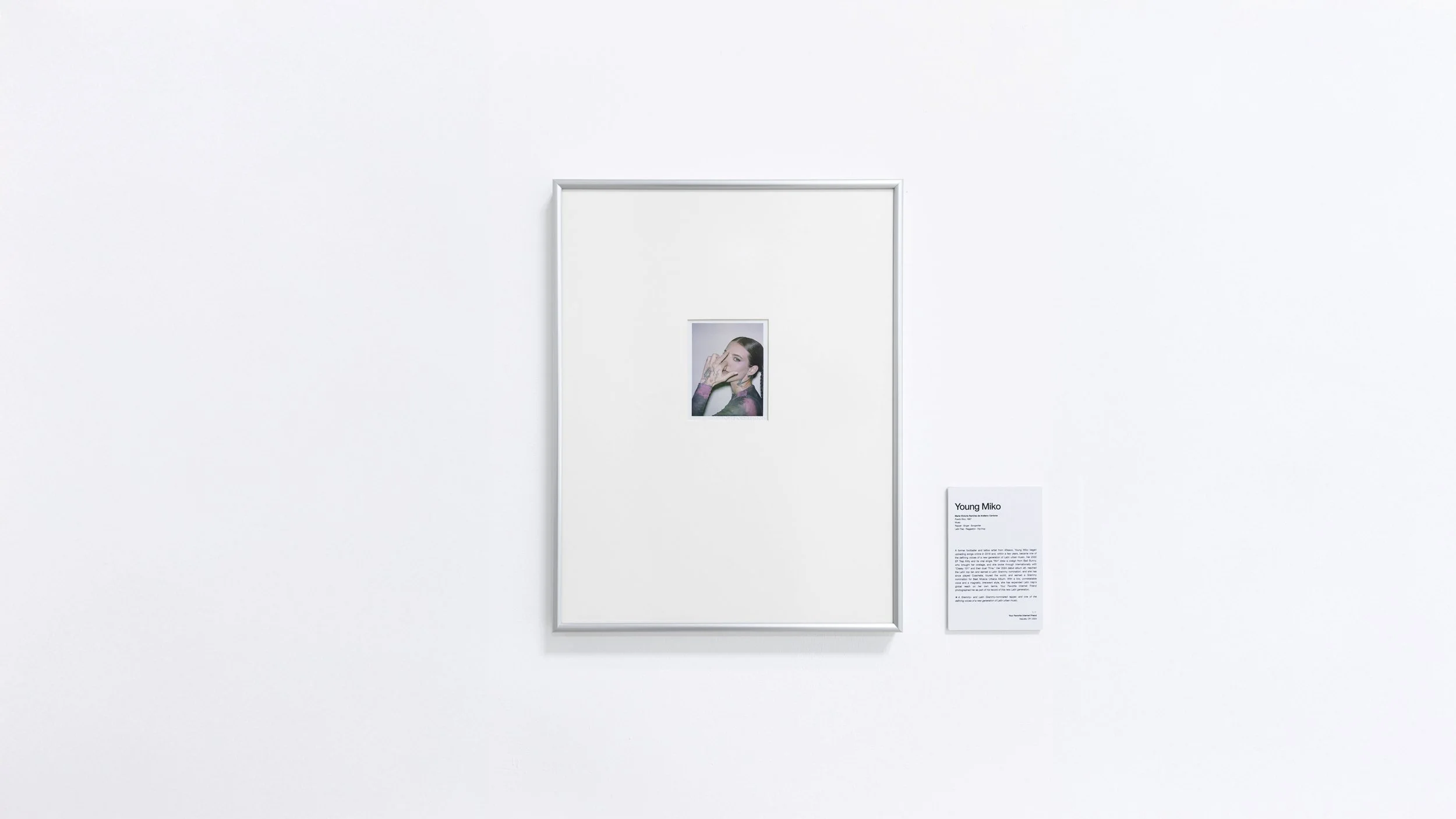
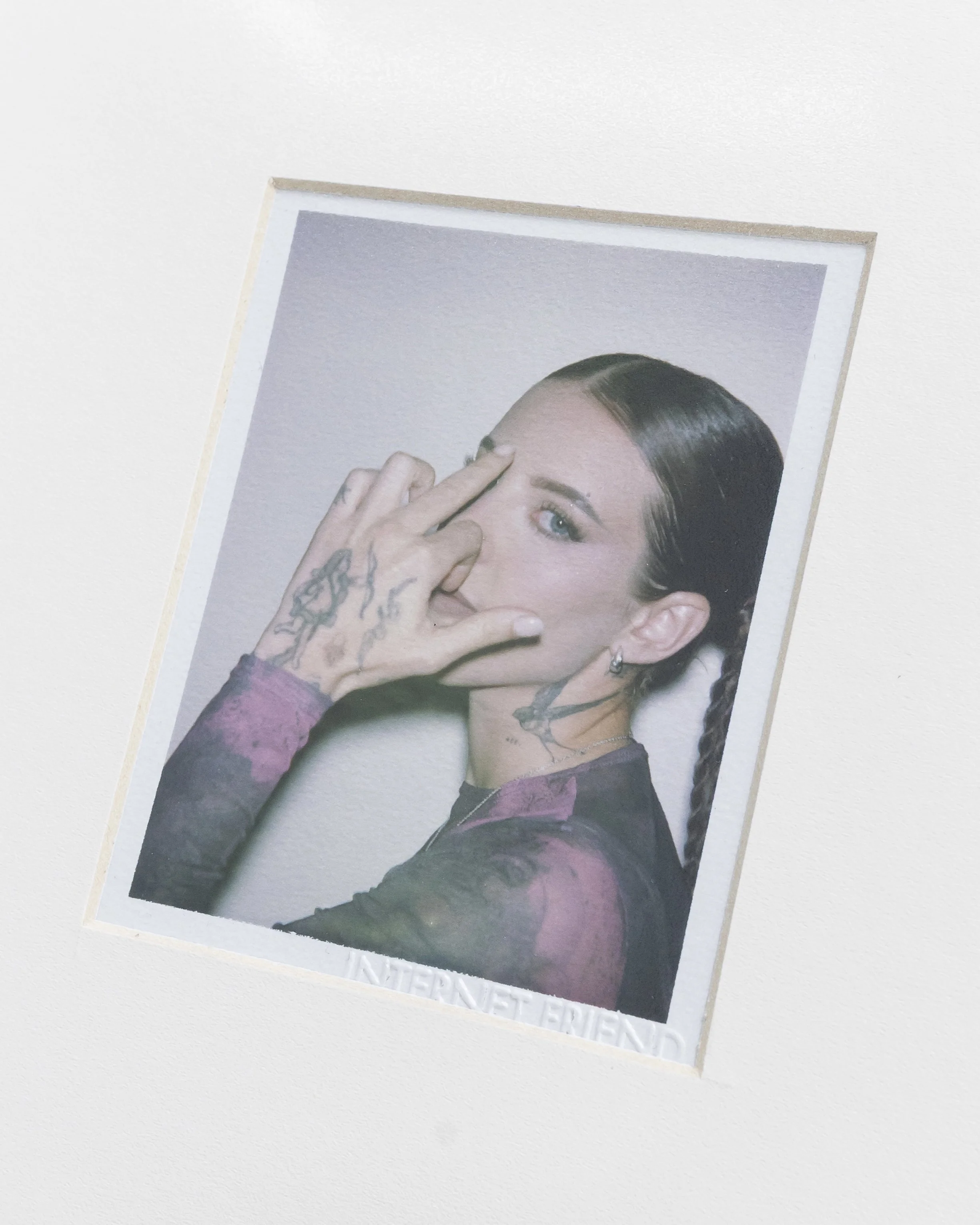
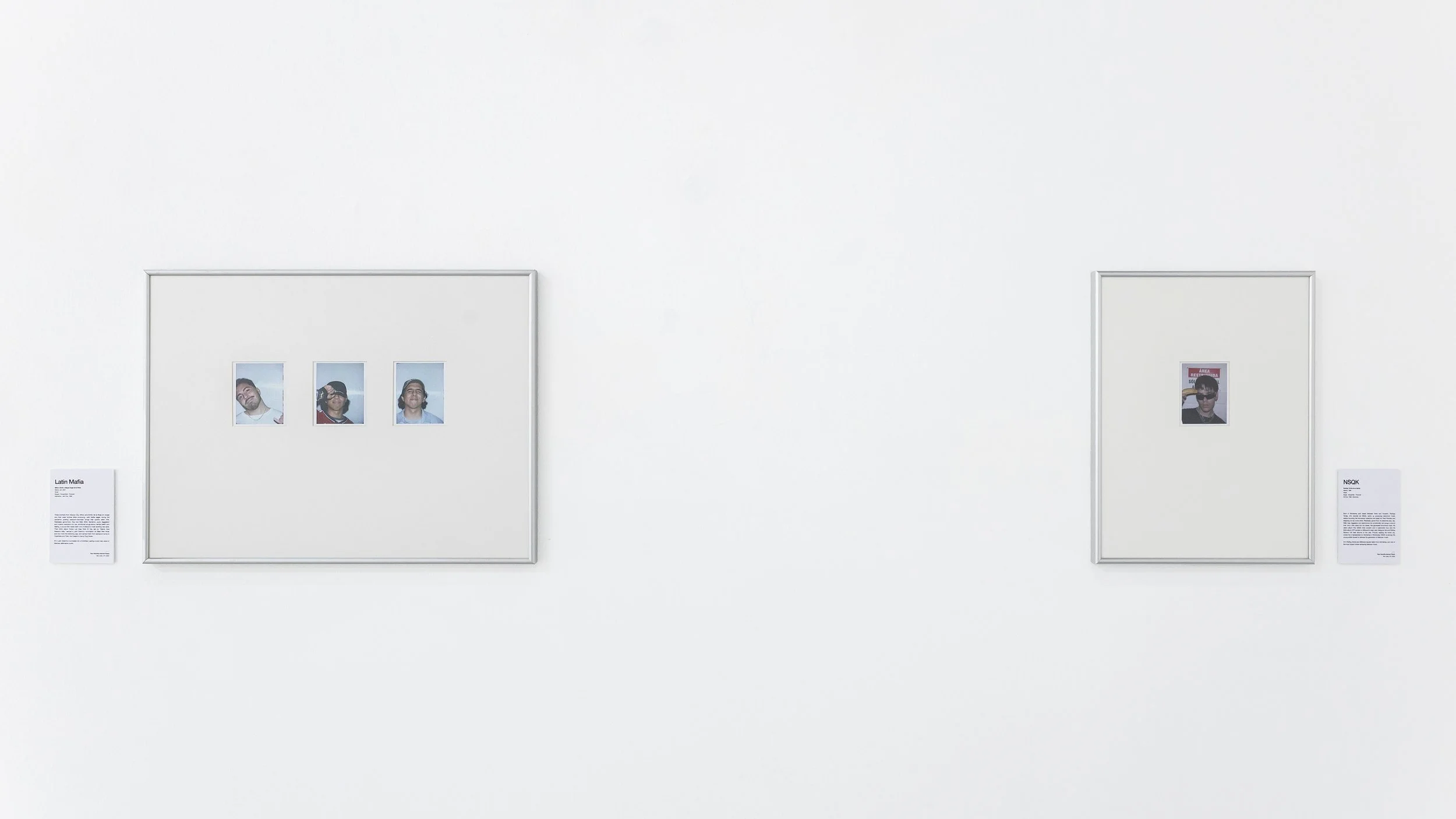
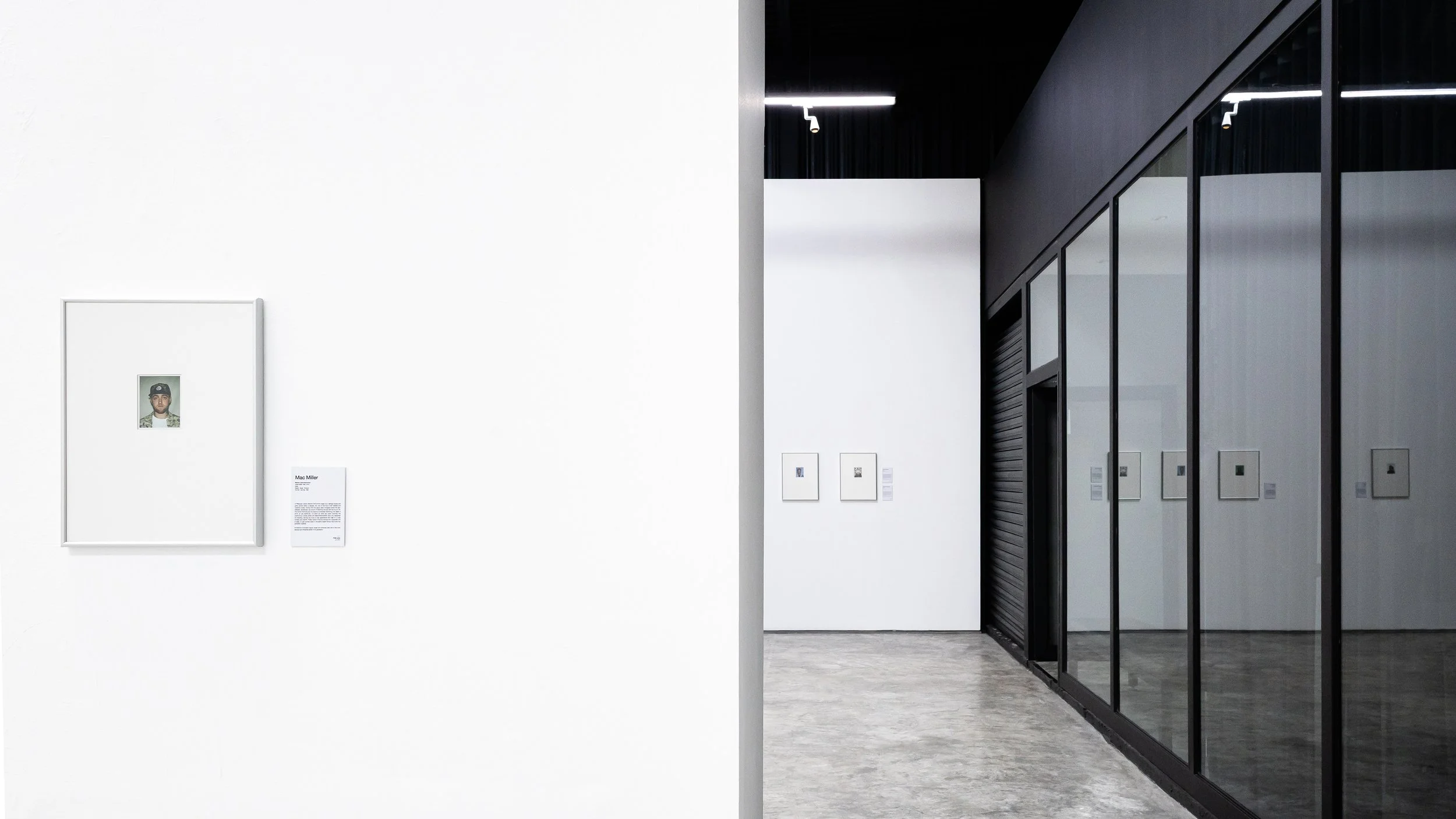
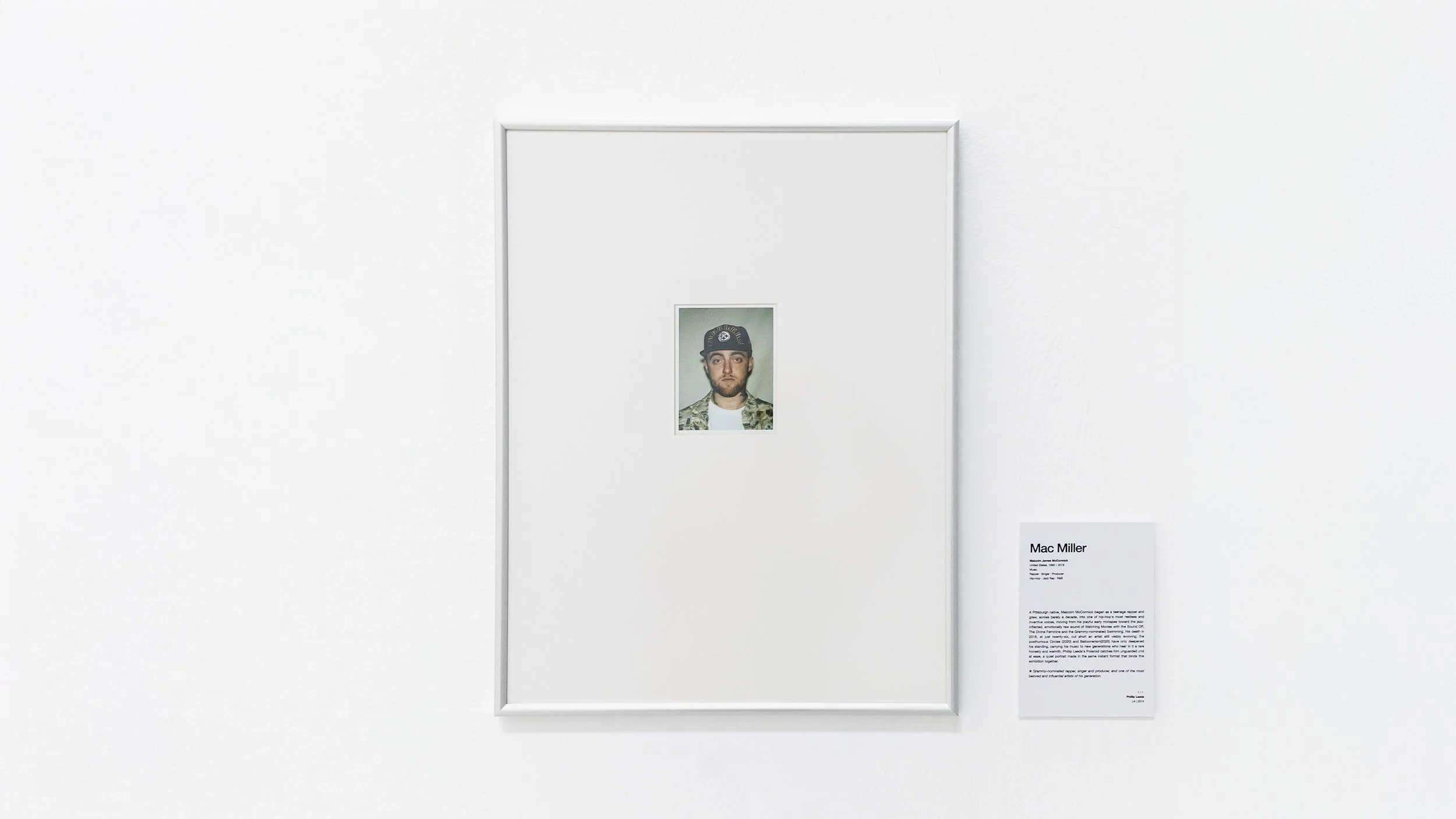
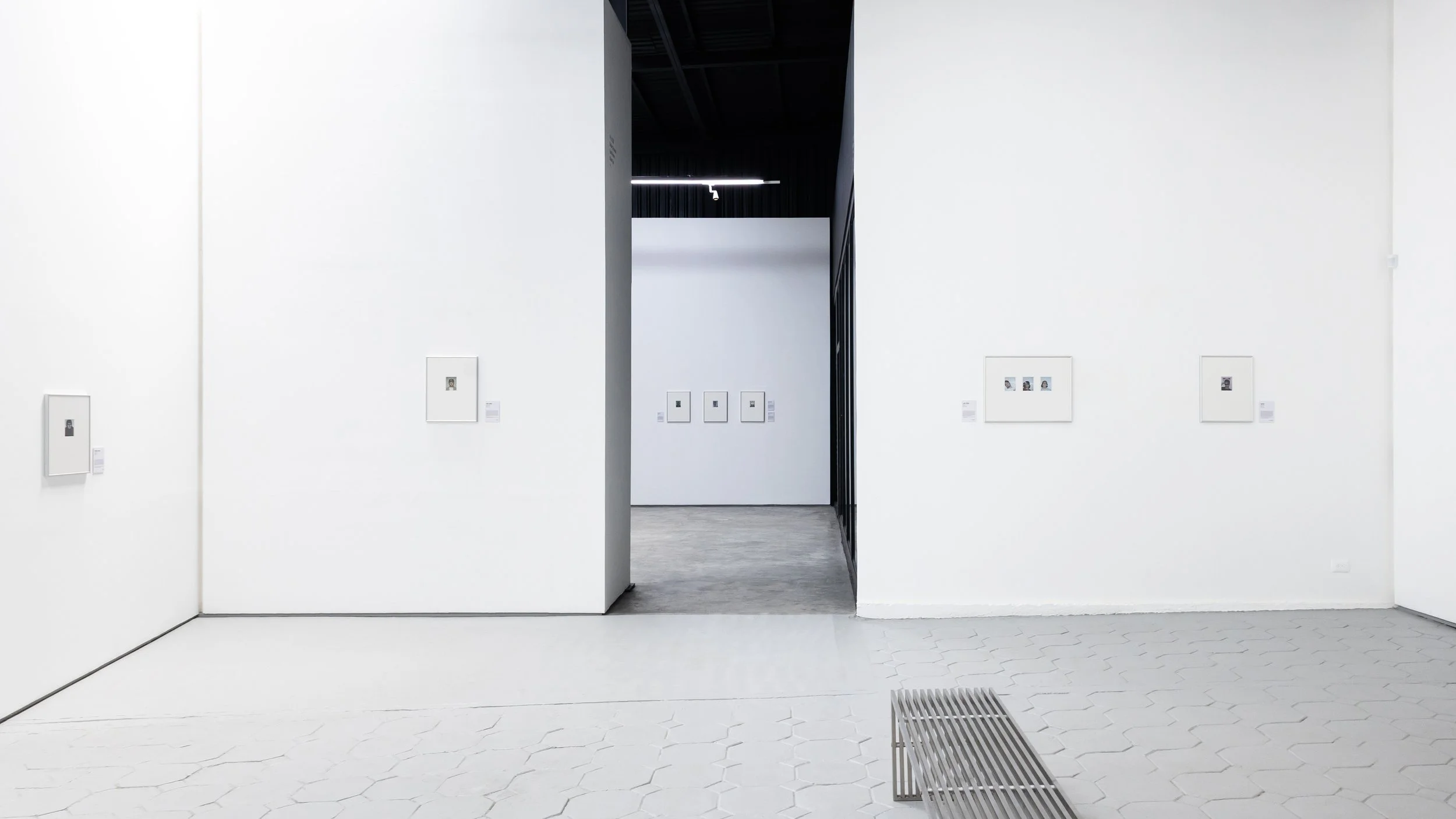
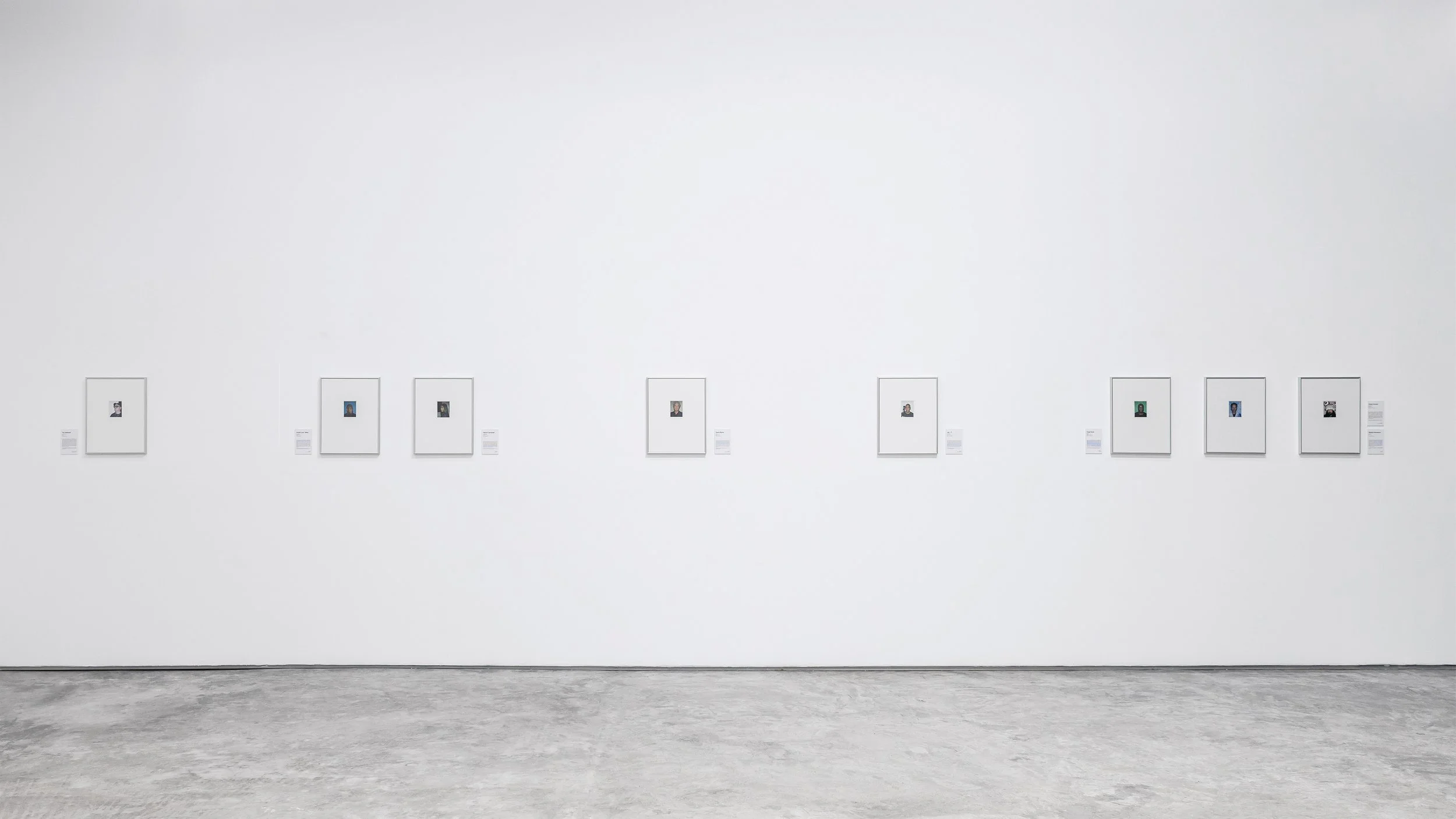
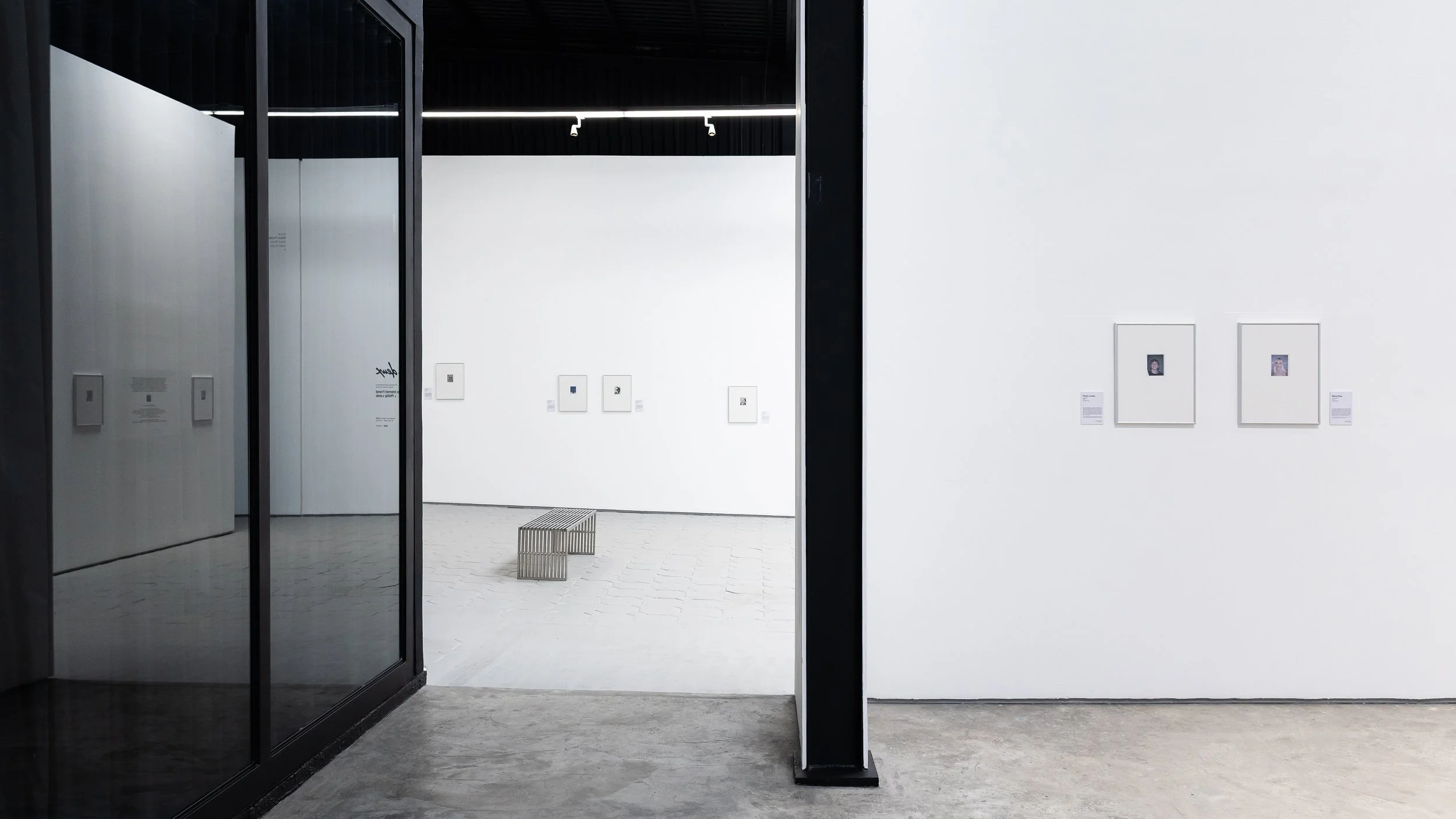
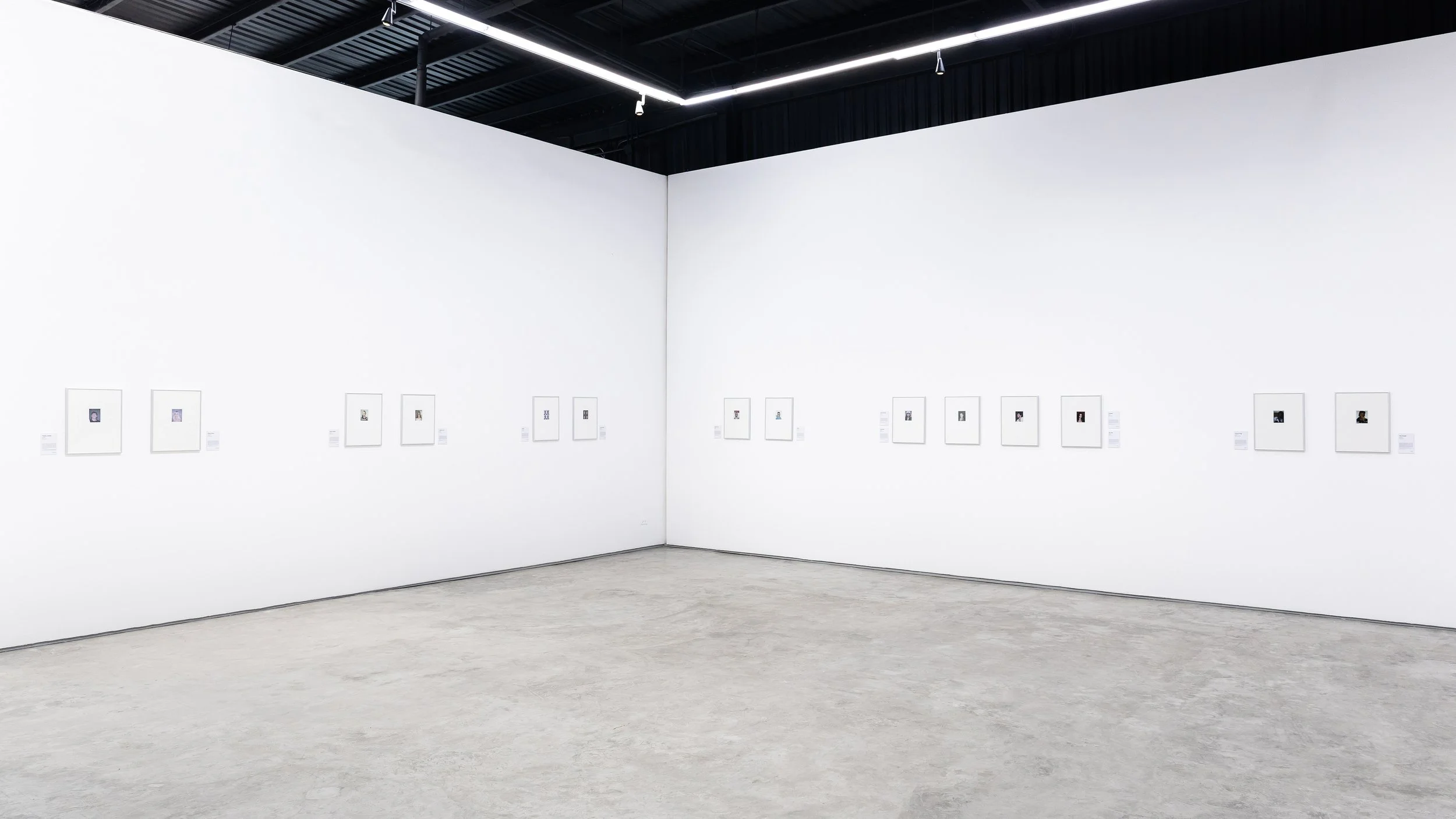
Photography has always promised to preserve what time removes. Yet a photograph alone is not memory. Memory emerges when images accumulate, when single encounters become an archive capable of describing not only who existed but how an era understood itself. Such an archive is not a collection of pictures but a structure that reorganizes time, drawing together moments that never coexisted and letting them occupy the same present. Folie à Deux begins from this proposition and extends it: that two archives built in isolation, on nearly the same meridian, can behave as a single entangled system.
The exhibition brings together two living archives produced independently of one another. Phillip Leeds has spent more than two decades photographing the artists, musicians, and designers of a creative world centered on New York but reaching the West Coast and, across the Pacific, Hong Kong, Singapore, and Tokyo. From Venezuela and across Latin America, an artist who works as Your Favorite Internet Friend, or YFIF, has built an equally expansive archive of the musicians, athletes, and artists defining its contemporary culture. Neither set out from the other's example, yet the two archives already overlap: a number of the same people have sat for both, once for each, in different parts of the world. New York lies near seventy-four degrees west, the Venezuelan coast near sixty-seven; three thousand kilometers separate the two archives, and almost none of that distance is east or west. They were built along nearly the same line of longitude, one above the other. The meridian does not divide them. It runs through both. Both chose the same instrument, the Polaroid Big Shot, a fixed-focus portrait camera introduced in 1971 and long obsolete, and both reached the same conviction: that the portrait remains one of culture's most powerful technologies of memory, and that preserving a generation demands the patient accumulation of singular, unrepeatable encounters. The exhibition's title names this. Folie à deux, a delusion held in common by two minds, is turned here into its opposite, a belief two photographers reached independently, at opposite ends of the same line, without ever conferring.
What each photograph records is not merely a likeness but a meeting. Roland Barthes described every photograph as proof of what he called that-has-been, the trace of something that genuinely occurred; the instant portrait sharpens that proof to a point, since the image appears in the hands of photographer and sitter within moments of the exposure, making representation a shared event. Every work here required two people to stand before one another and agree, however briefly, to be present together. The photograph is the residue of that presence, an object that cannot exist apart from the encounter that made it, and that no later image can reproduce.
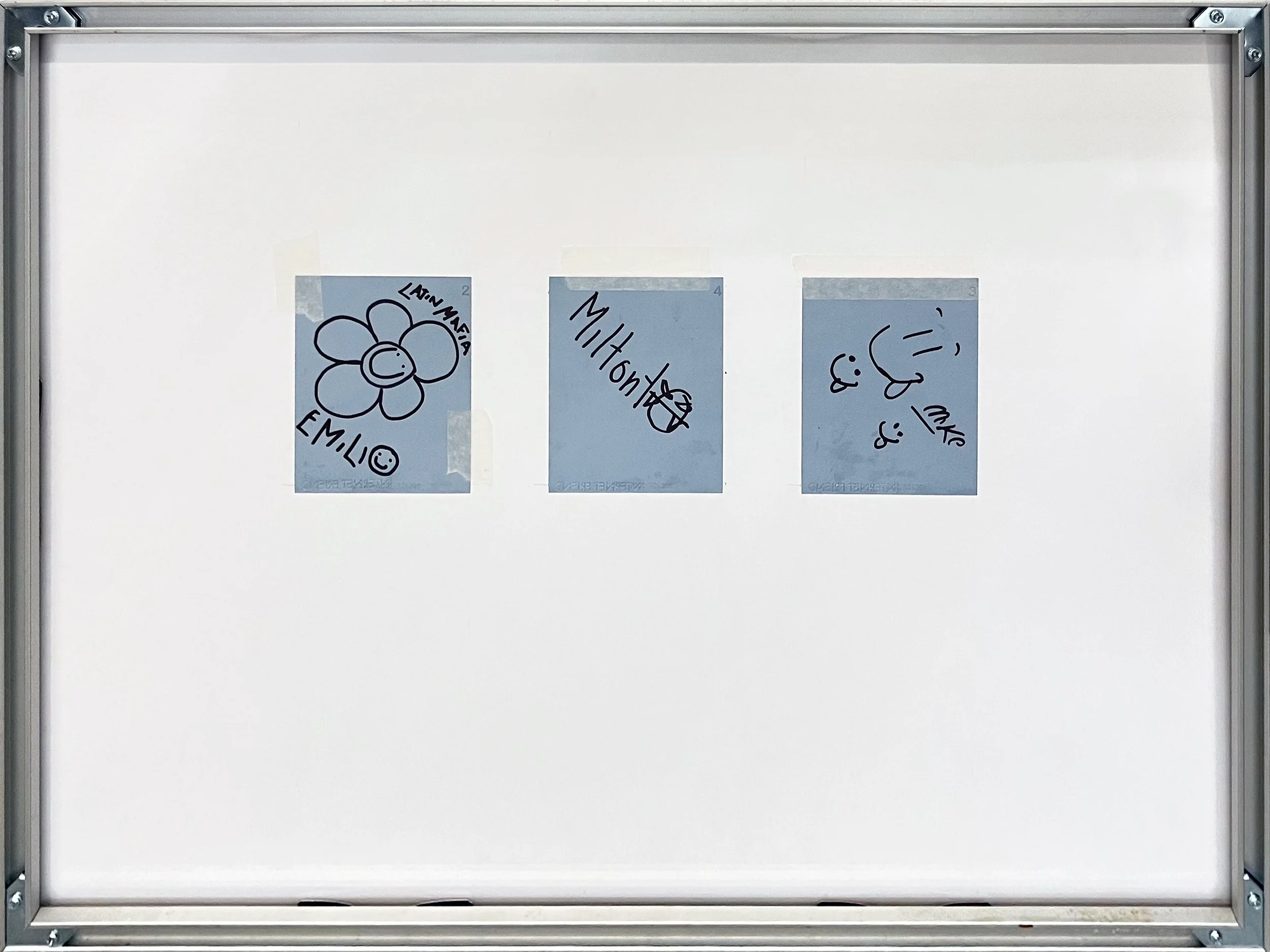
The camera carries a lineage. Andy Warhol took up the Big Shot in the year of its release to build his vast inventory of the famous and the near-famous, turning the instant portrait from private keepsake into cultural document. Leeds and YFIF inherit the instrument but reverse its purpose. For Warhol, the instant portrait was an input, raw material fed into a machine of repetition whose output was the silkscreen; for Leeds and YFIF, the photograph is where the work stops. It is the terminal object, and it remains one by decision rather than by accident: the film they use will surrender a negative and a second life to anyone willing to take it, and both artists refuse. Their position rests not on a limitation suffered but on a rule chosen. Nothing here will become anything other than itself.
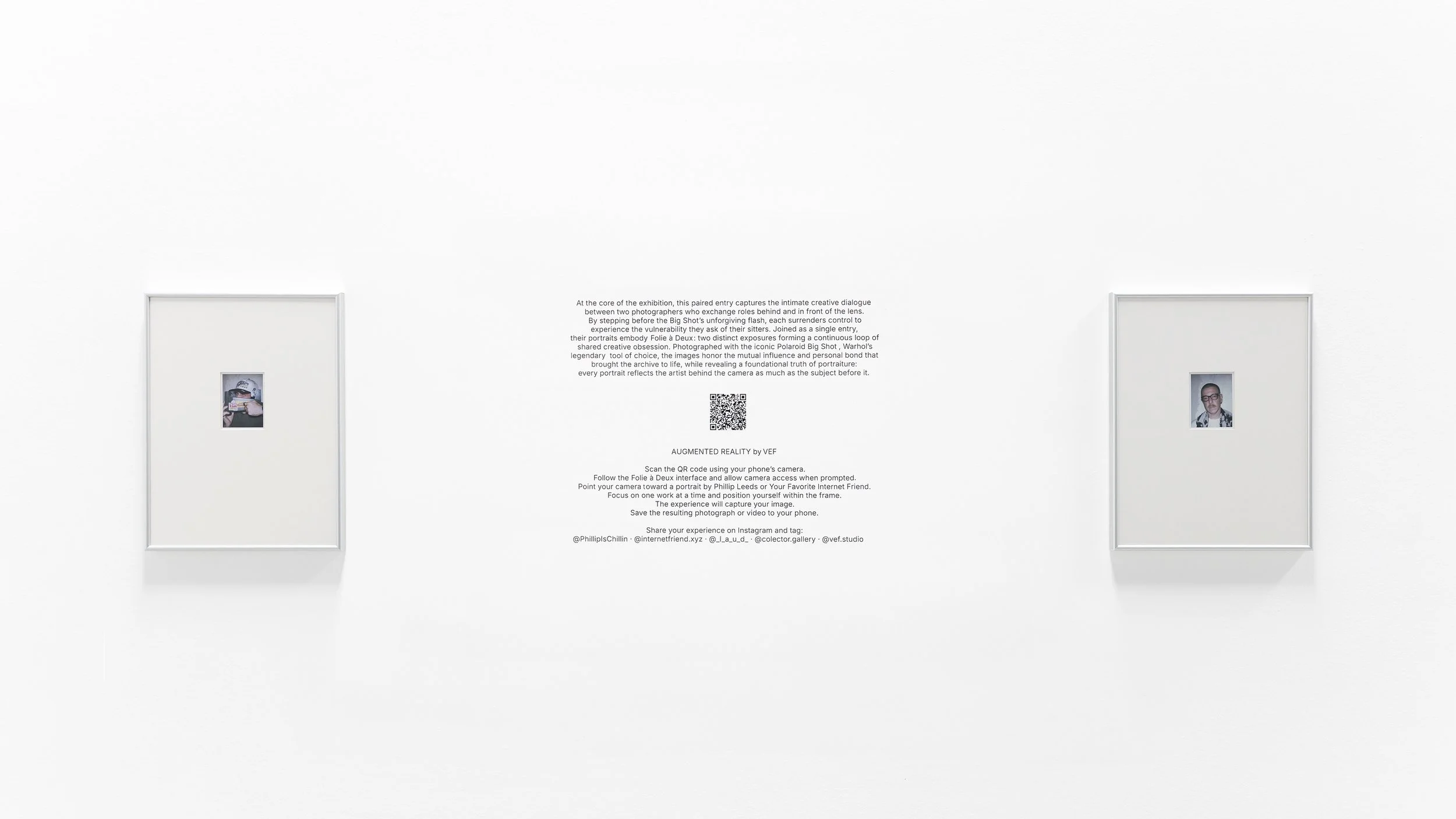
Two works hold this logic whole. The archives already meet in the people they share; here the crossing becomes total, for each artist has entered the other's archive as its subject. In YFIF's archive is Phillip Leeds, photographed by YFIF and, following YFIF's practice, signed on the reverse by Leeds; the author of one archive becomes the sitter of the other, and his signature makes him a second author of his own portrait. In Leeds's archive is YFIF, photographed by Leeds and left unsigned, as Leeds's sitters always are; here YFIF offers no bare face but raises his own camera, the same 1971 machine, until it covers most of him, and points to the sticker of his own logo on its front. The two crossings are not a mirror, and their difference is the argument. Each portrait obeys the practice of the archive that holds it: in YFIF's archive, the sitter co-authors, and so Leeds signs; in Leeds's archive, the sitter never does, and Leeds's camera finds YFIF already withheld. Two independent facts converge, one archive's protocol and one artist's refusal of his own face, and neither causes the other. Together they leave YFIF unsigned and unseen, present only as his apparatus and his brand, the networked self his name already promises. In this pair, the distance the exhibition is built upon closes to a point, and two systems formed in isolation resolve, for two exposures, into a single entangled state. It is the exhibition in miniature, and its origin.
From this, the exhibition takes the archive, rather than the single photograph, as its form: for the span of these weeks, the two archives stand assembled, and what occupies the walls is a structure. A single portrait fixes a face; an archive fixes the relations between faces, the networks of friendship, influence, and geography that accumulate across years until thousands of separate meetings become the portrait of an era. Identity emerges not from any one image but from the pattern the images make together.
The project sits within a longer history. August Sander sought to catalogue an entire society through portraiture; Malick Sidibé, from within his own community in Bamako, built the archive of a postcolonial generation that would reshape the global history of the medium. Like them, Leeds and YFIF work less as portraitists than as cultural cartographers, mapping social worlds from within rather than observing them from without.
That one of these archives originates in Latin America is fundamental to the argument. The authority to decide what counts in photography, long concentrated in a few Western cities, has dispersed; historical memory now emerges from within the communities it describes. Monterrey is where the two trajectories meet, and it is a third place, belonging to neither. The city lies near one hundred degrees west, far off the line along which both were built; each had to cross that meridian to arrive. Neither archive has been seen here before. Both come for the first time, at the same moment, in the same room. Monterrey has long held both portraiture and music. Juan Rodrigo Llaguno, born in 1964 and among Mexico's foremost photographers, has spent more than three decades building a social chronicle of the north through portraiture alone, an ambition that recalls Sander's: to photograph an era by photographing the people who constitute it. The Fototeca de Nuevo León gathered that work in a retrospective in 2023. The archive as a form is not imported here. It is native to this place. The show opens as photography enters its third century and thirty years after Avanzada Regia, the movement that made Monterrey a musical capital, alongside the festivals whose performers already appear within YFIF's archive. What that movement began has not stopped, and it has not left. Worldwide Records, the label group and talent incubator run from this city, has grown over the past decade into one of Latin America's most productive seedbeds for new urban and alternative music; a number of the figures YFIF has photographed come from its roster, and they hang here. Thirty years separate the movement from the incubator; the archive holds both ends at once. For a moment, live performance and permanent record share the same city, and the ephemeral and the enduring become mutually visible.
This matters most now, when images can be generated and circulated with neither camera nor encounter. Against that condition, the photographs gathered here insist on an irreducible fact: each one required two people, one place, and one moment that genuinely occurred. Two hundred years after the first photograph fixed light on a surface, portraiture still performs its oldest function. It resists disappearance. Folie à Deux is neither a show of celebrity portraits nor an exercise in nostalgia. It is an investigation into how archives hold time open, how singular encounters accumulate into shared memory, and how two artists, working at opposite ends of the same line yet bound by the same improbable conviction, preserved a generation one unrepeatable meeting at a time.
"Time is what keeps everything from happening at once."
– Ray Cummings, The Girl in the Golden Atom, 1919.
Colector
July 2026