
Germán Venegas
EVERYTHING IS BECOMING
April 11, 2026
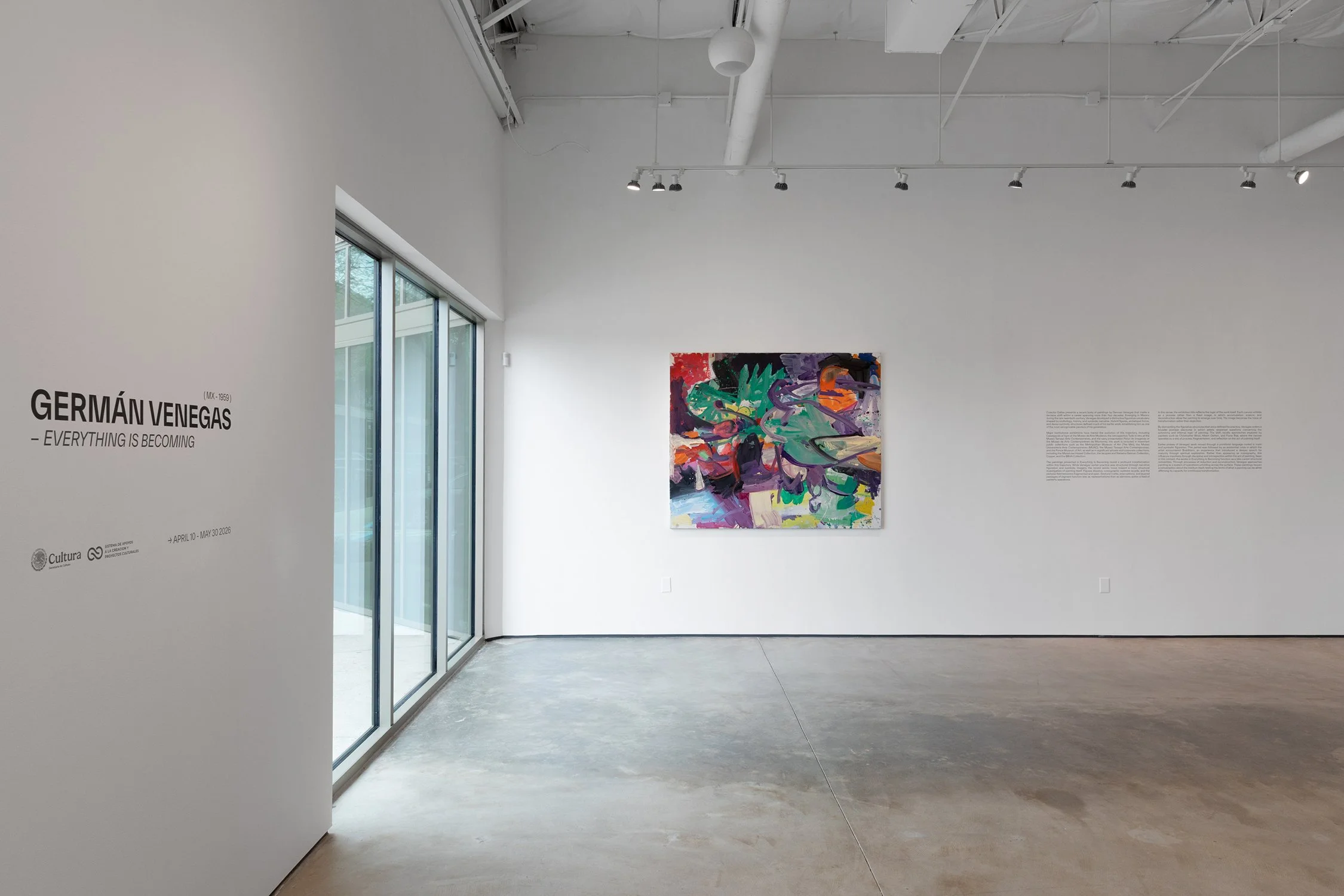
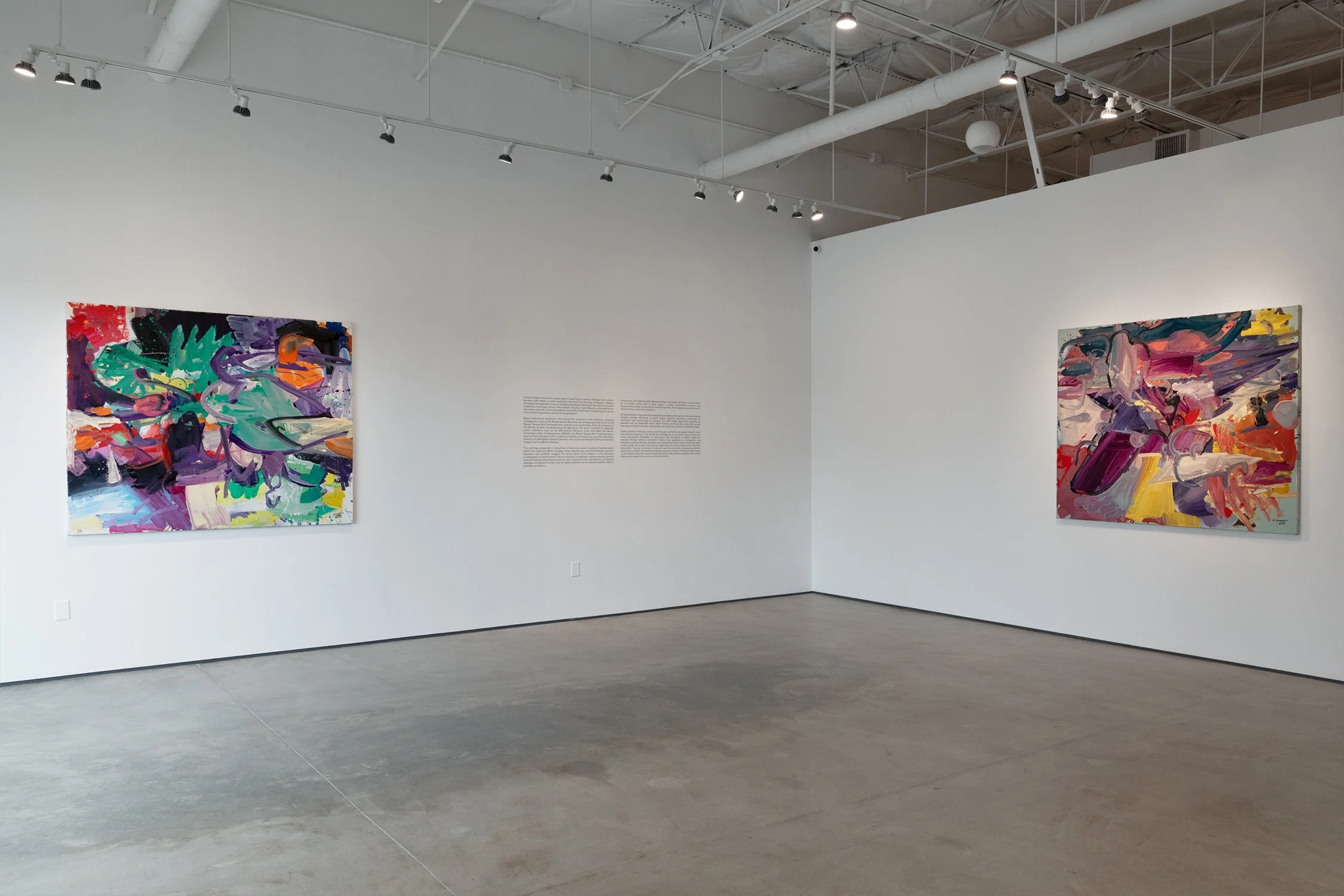
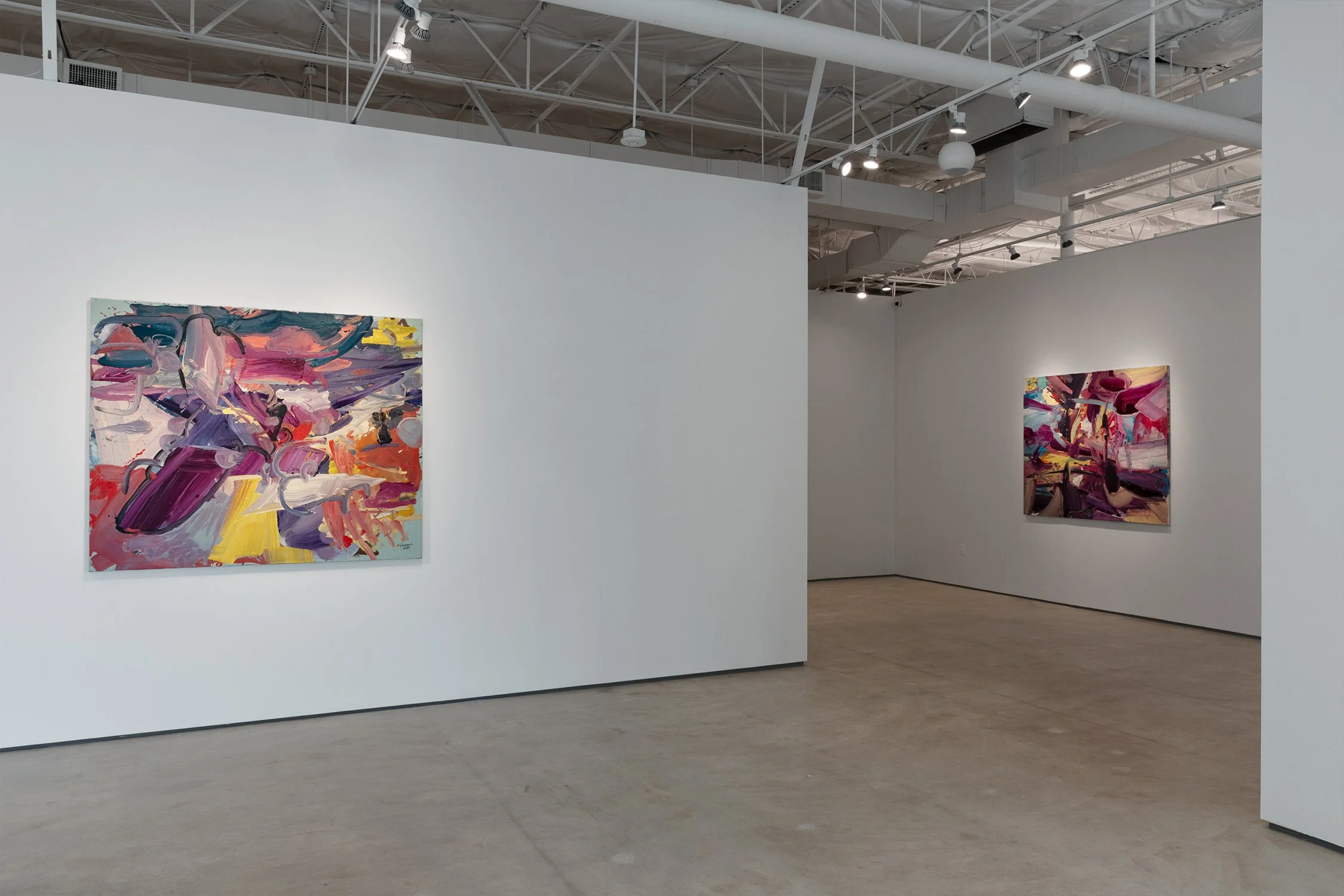
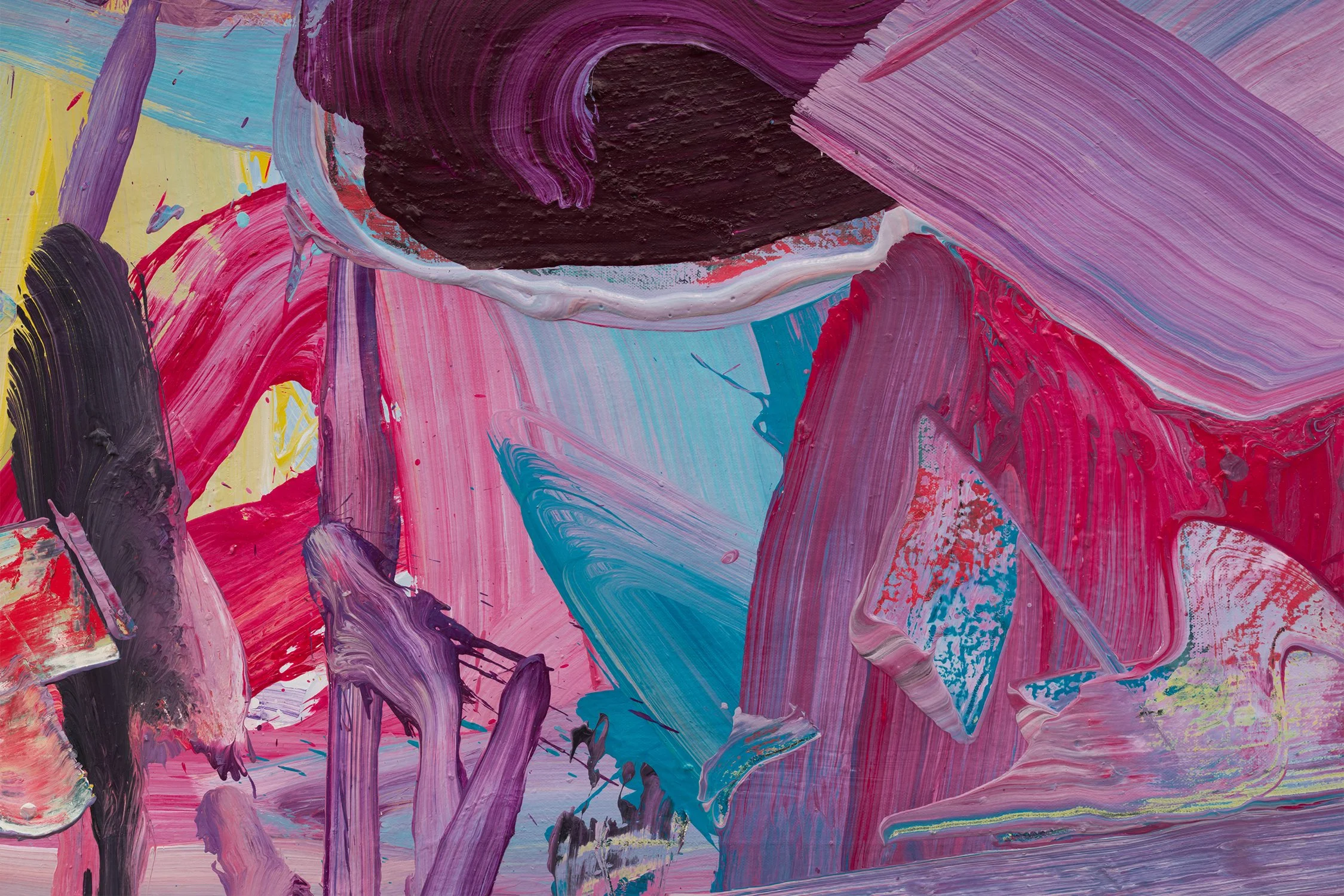
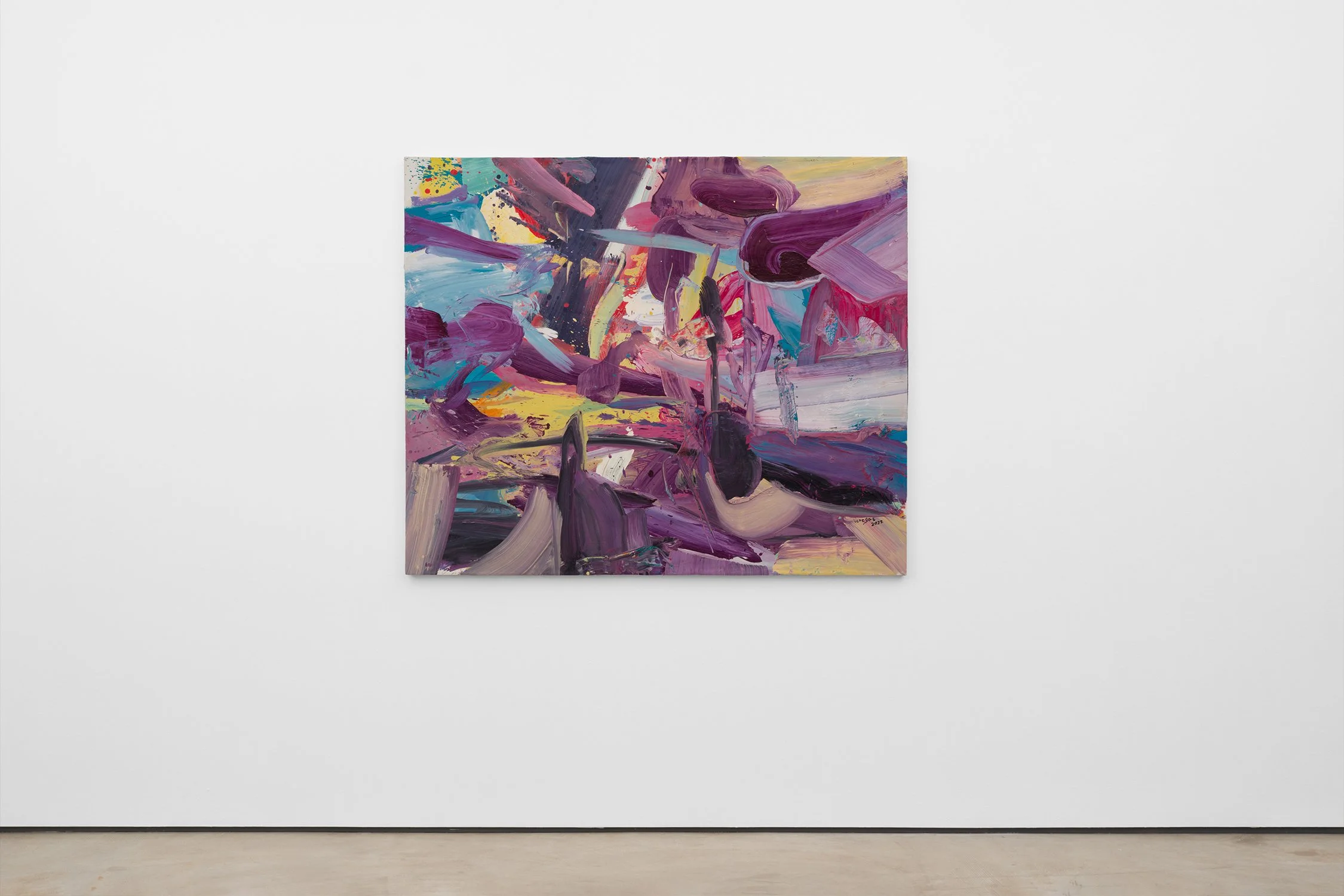
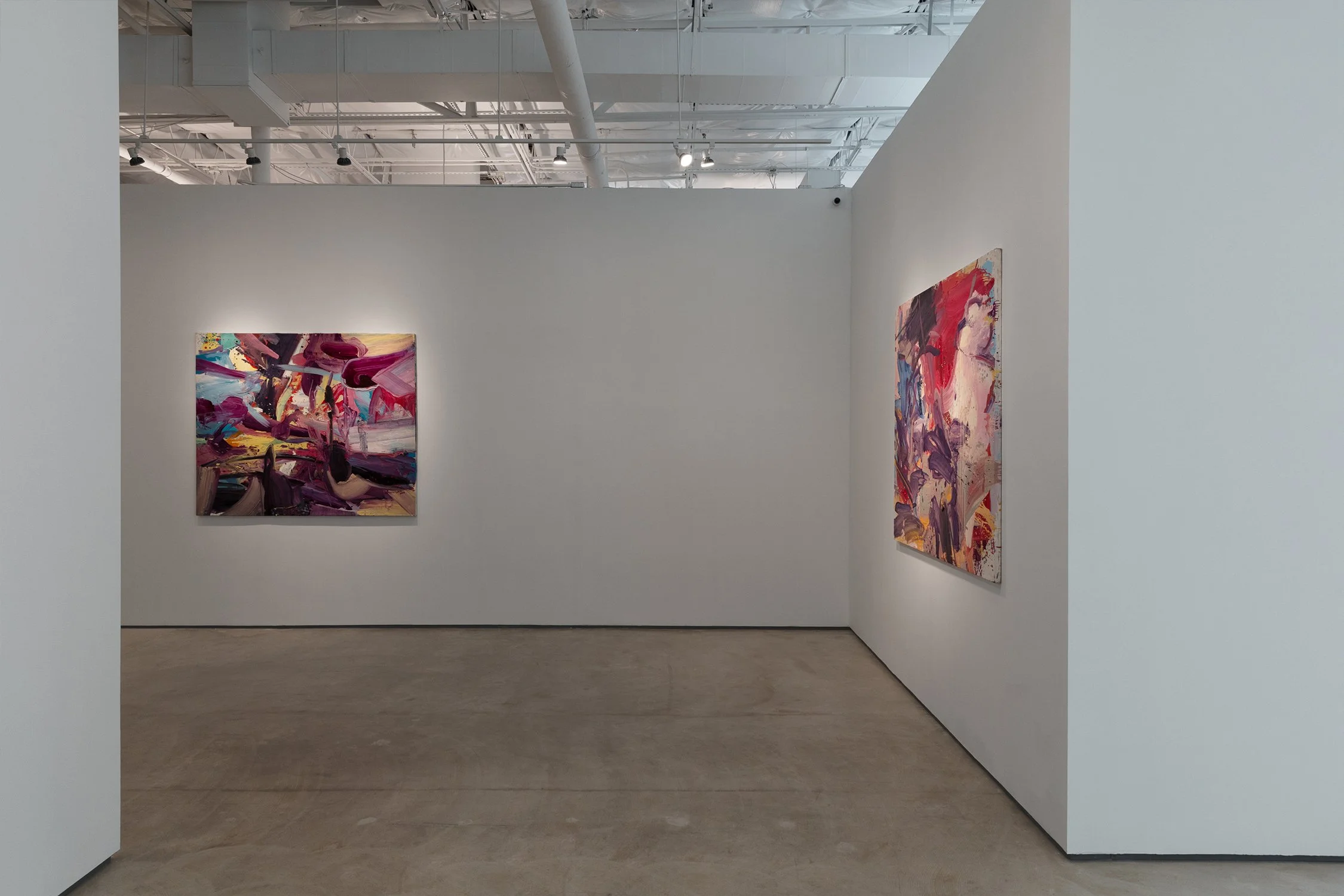
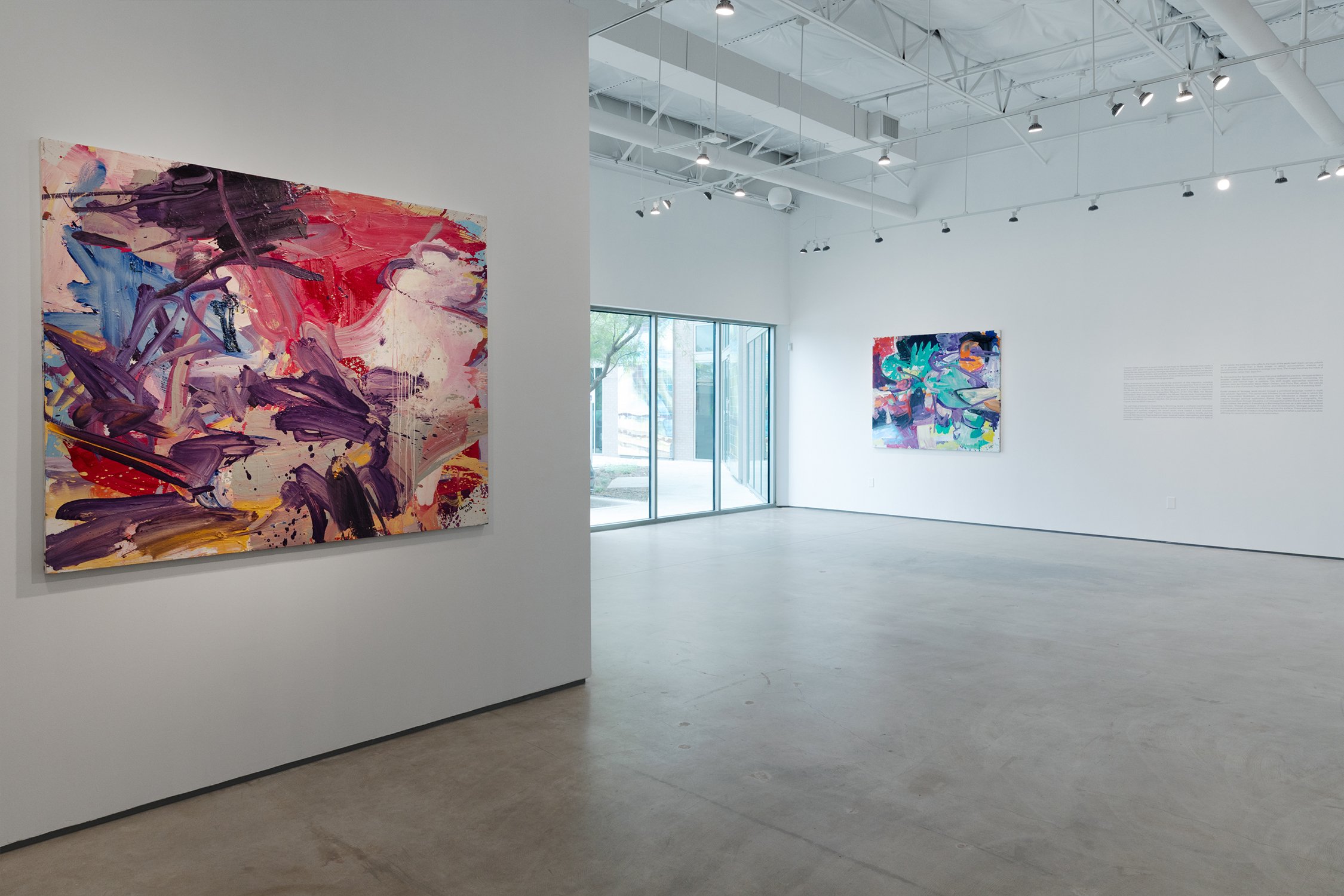
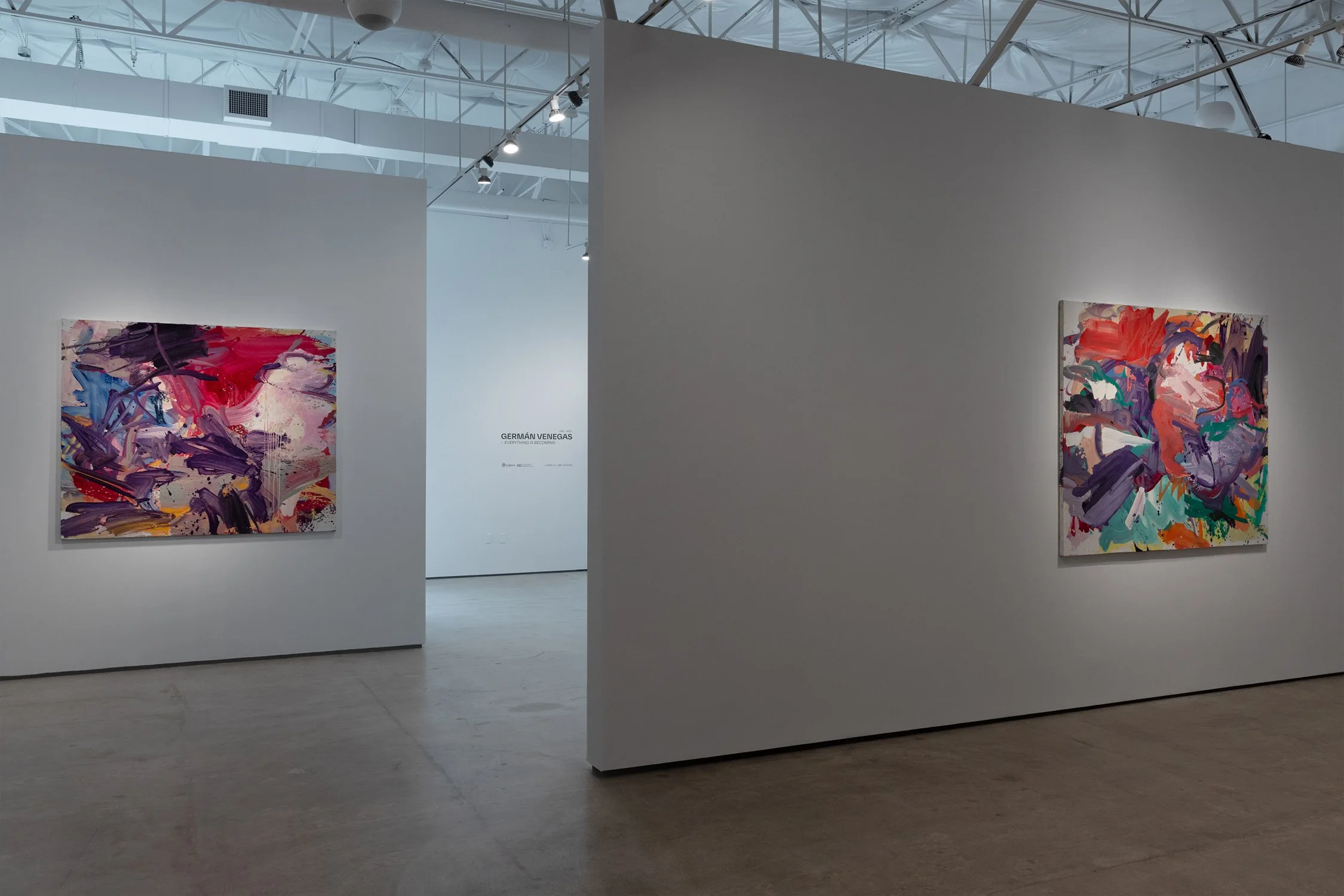
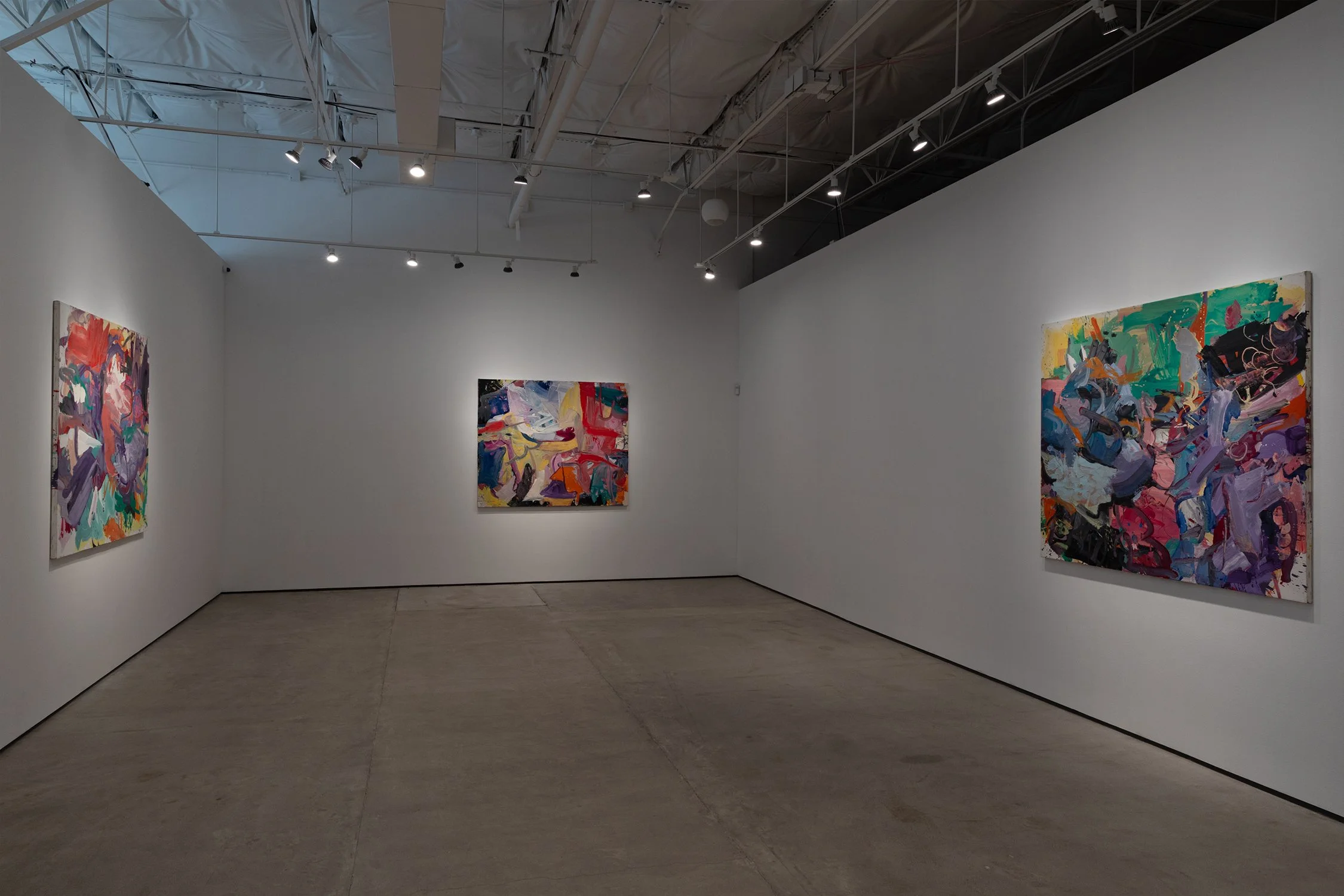
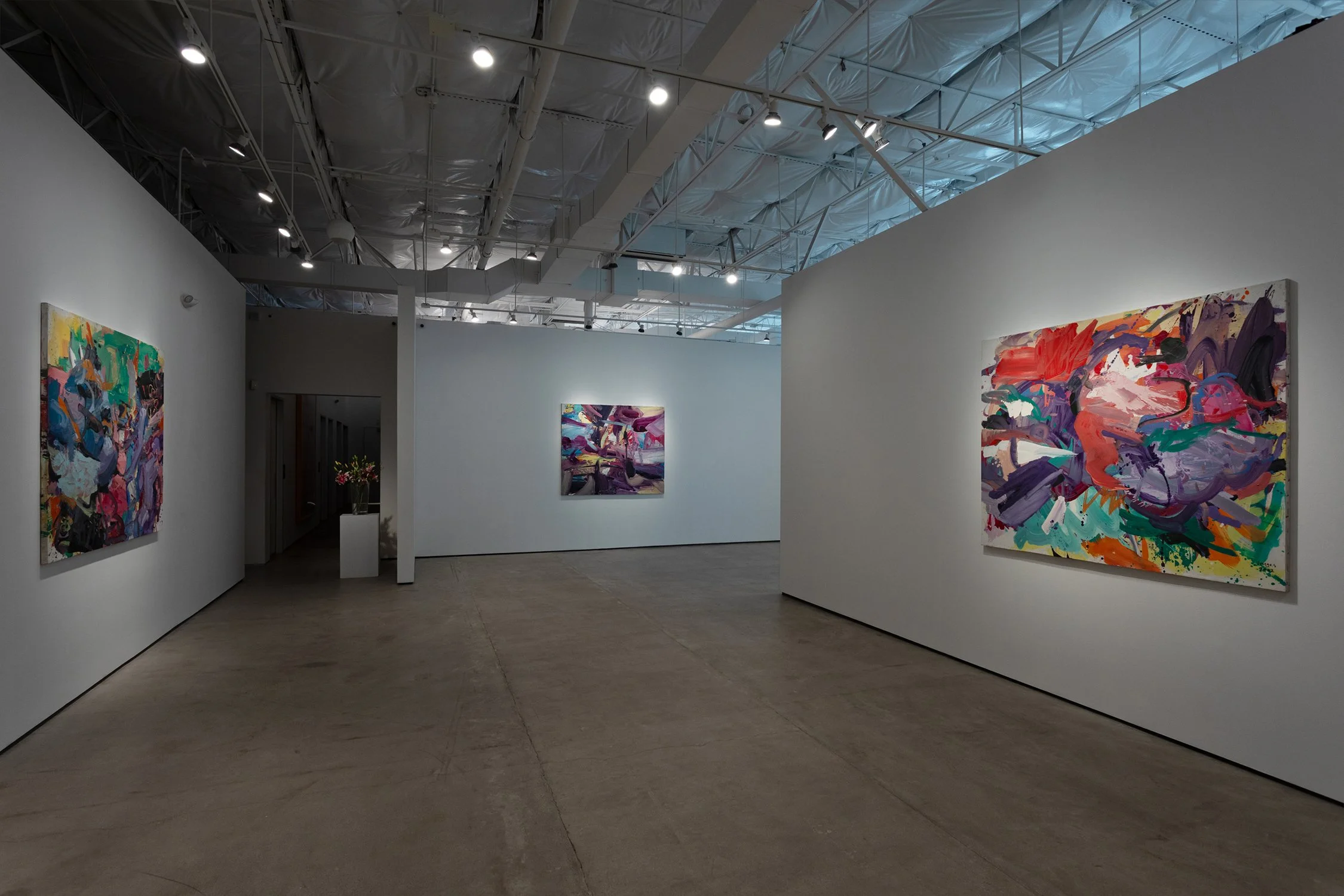
Colector Dallas presents a recent body of paintings by Germán Venegas that marks a decisive shift within a career spanning more than four decades. Emerging in Mexico during the late twentieth century, Venegas developed a distinctive figurative vocabulary shaped by mythology, history, and symbolic narrative. Hybrid figures, archetypal forms, and dense symbolic structures defined much of his earlier work, establishing him as one of the most recognizable painters of his generation.
Major institutional exhibitions have traced the evolution of this trajectory, including Cabalgando el tigre at the Museo de Arte Moderno, the retrospective Todo lo otro at the Museo Tamayo Arte Contemporáneo, and the early presentation Polvo de Imágenes at the Museo de Arte Contemporáneo de Monterrey. His work is included in important public collections such as the Metropolitan Museum of Art (The Met), the Museo Universitario Arte Contemporáneo (MUAC), the Museo Tamayo Arte Contemporáneo, and the Ponce Museum of Art, as well as in significant private and corporate collections, including the Marieluise Hessel Collection, the Jacques and Natasha Gelman Collection, Coppel, and the BBVA Collection.
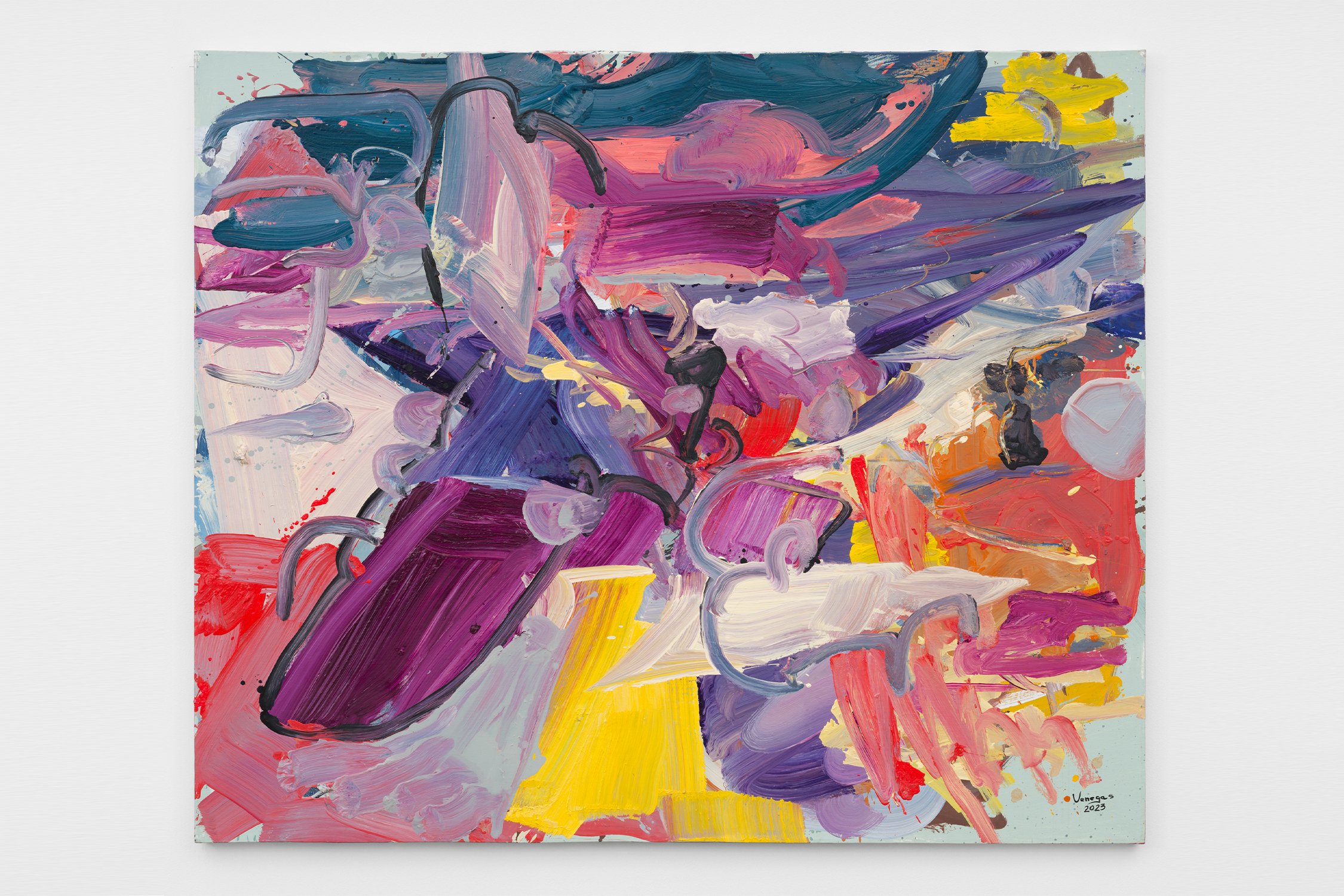
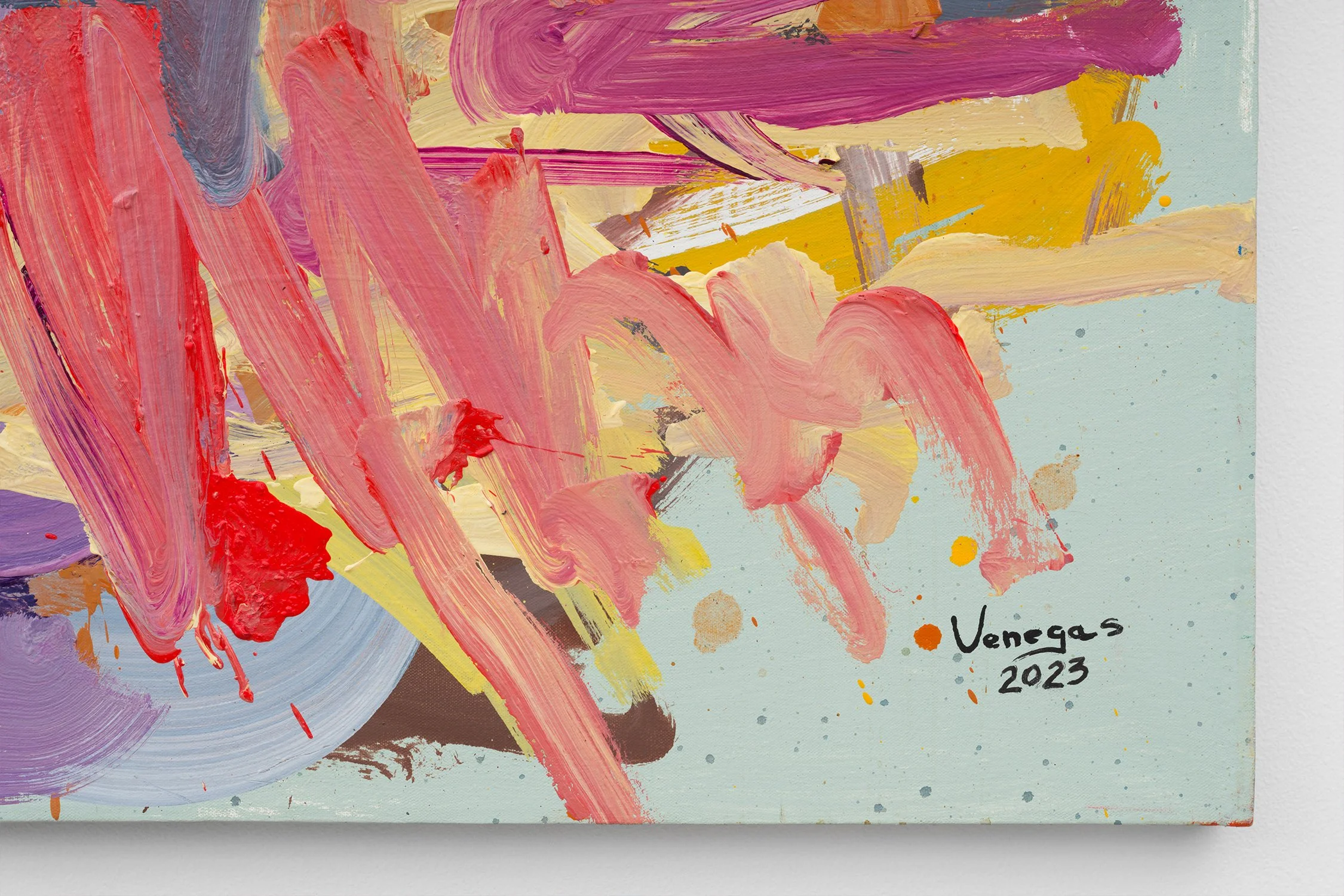
The paintings presented in Everything Is Becoming reveal a profound transformation within this trajectory. While Venegas’ earlier practice was structured through narrative figuration and symbolic imagery, the recent works move toward a more structural investigation of painting itself. Figures dissolve, iconographic systems recede, and the pictorial field becomes fragmented and open. Gestural marks, interruptions, and layered passages of pigment function less as representations than as elements within a field of painterly operations.
In this sense, the exhibition title reflects the logic of the work itself. Each canvas unfolds as a process rather than a fixed image, in which accumulation, erasure, and reconstruction allow the painting to emerge over time. The image becomes the trace of transformation rather than depiction.
By dismantling the figurative structures that once defined his practice, Venegas enters a broader postwar discourse in which artists reopened questions concerning the autonomy and internal logic of painting. The shift recalls approaches explored by painters such as Christopher Wool, Albert Oehlen, and Fiona Rae, where the canvas operates as a site of process, fragmentation, and reflection on the act of painting itself.
Earlier phases of Venegas’ work moved through a primitivist language rooted in myth and symbolic figuration. This period was followed by an existential crisis in which the artist encountered Buddhism, an experience that introduced a deeper search for maturity through spiritual exploration. Rather than appearing as iconography, this influence manifests through discipline and introspection within the act of painting. Seen in this context, the works in Everything Is Becoming function as a late-career structural reinvention. Through processes of reduction and reconstruction, Venegas approaches painting as a system of operations unfolding across the surface. These paintings reopen a conversation about the medium itself, testing the limits of what a painting can be while affirming its capacity for continuous transformation.
Lorenzo Martz