
Federico Jordán-Gómez
IN PULVEREM
October 29, 2026
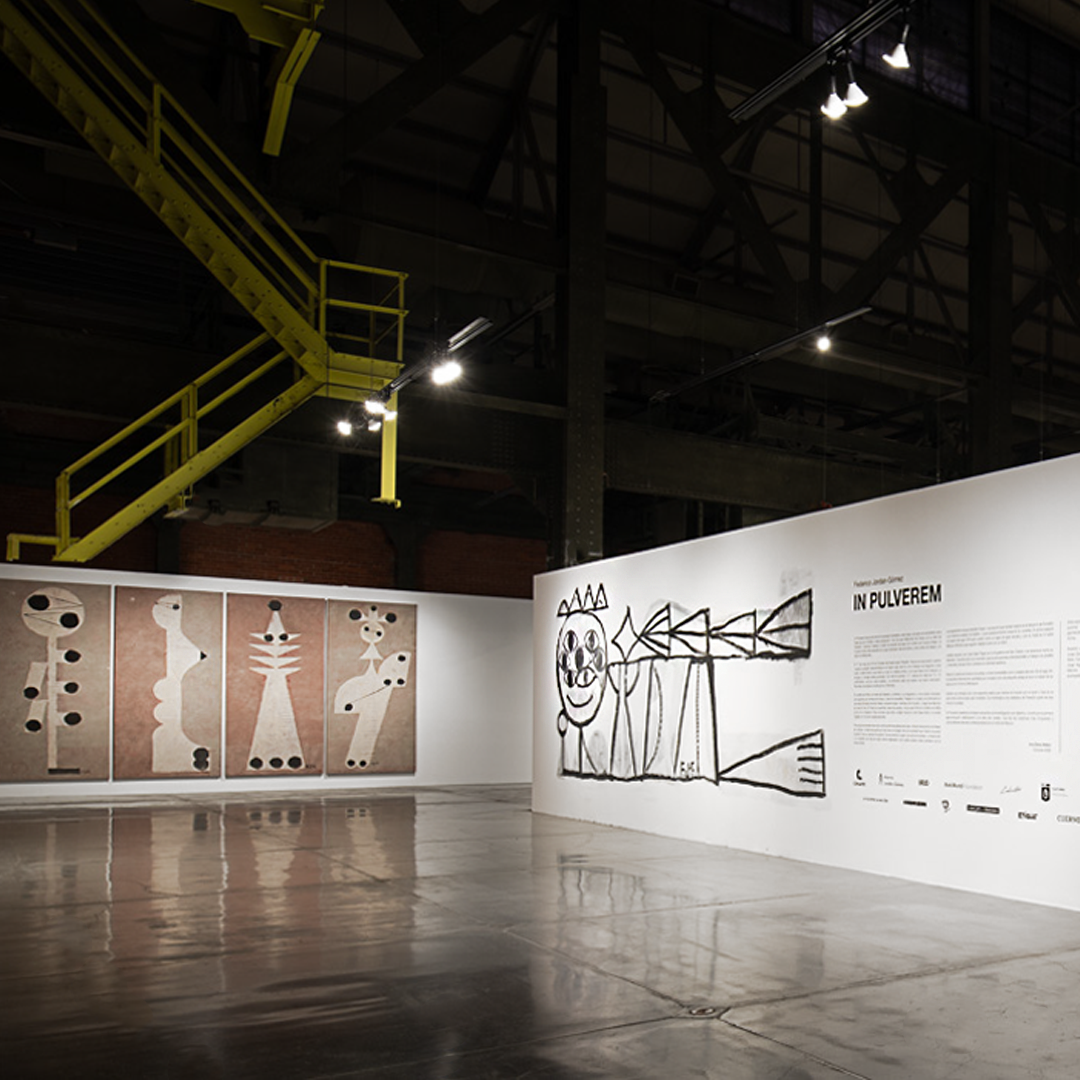
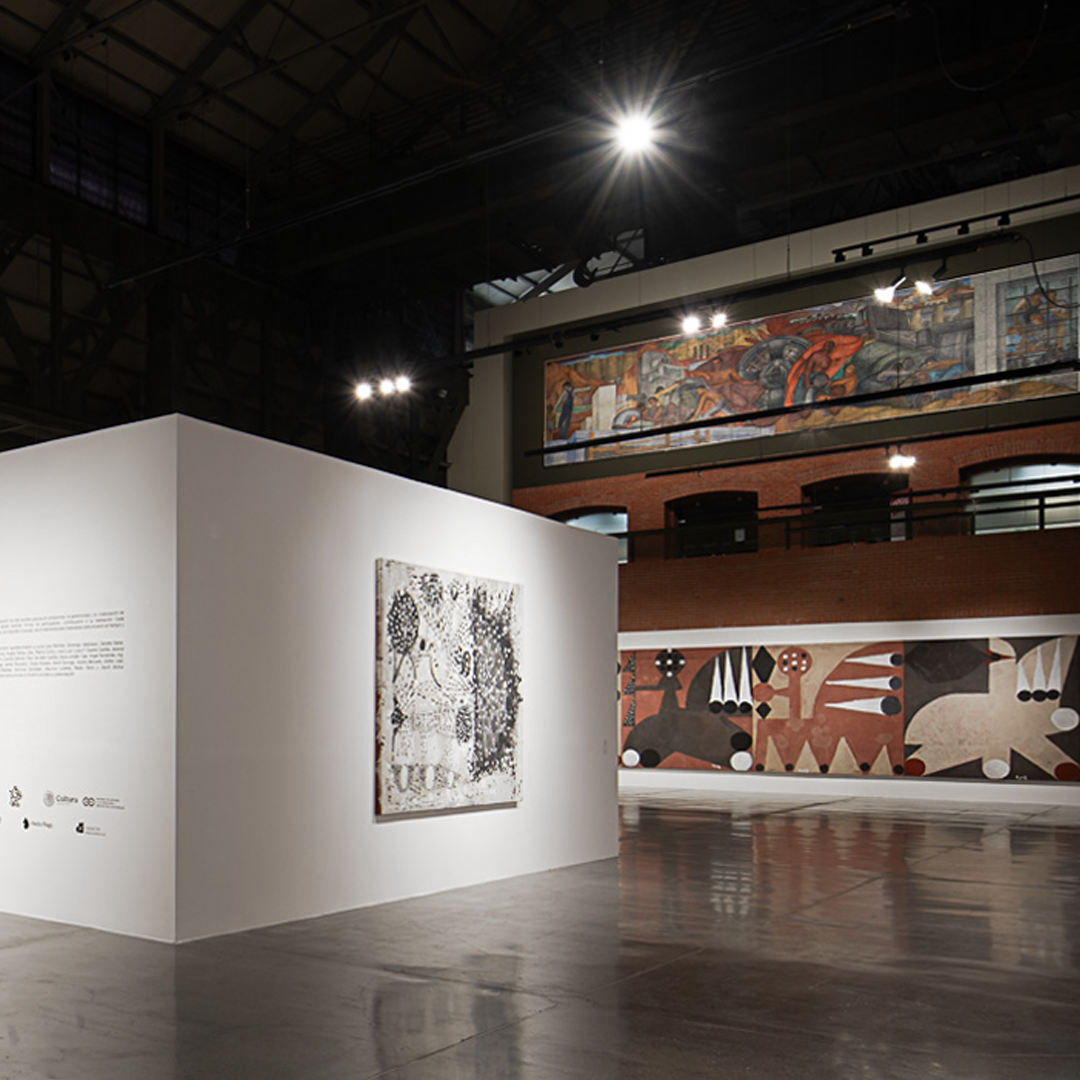
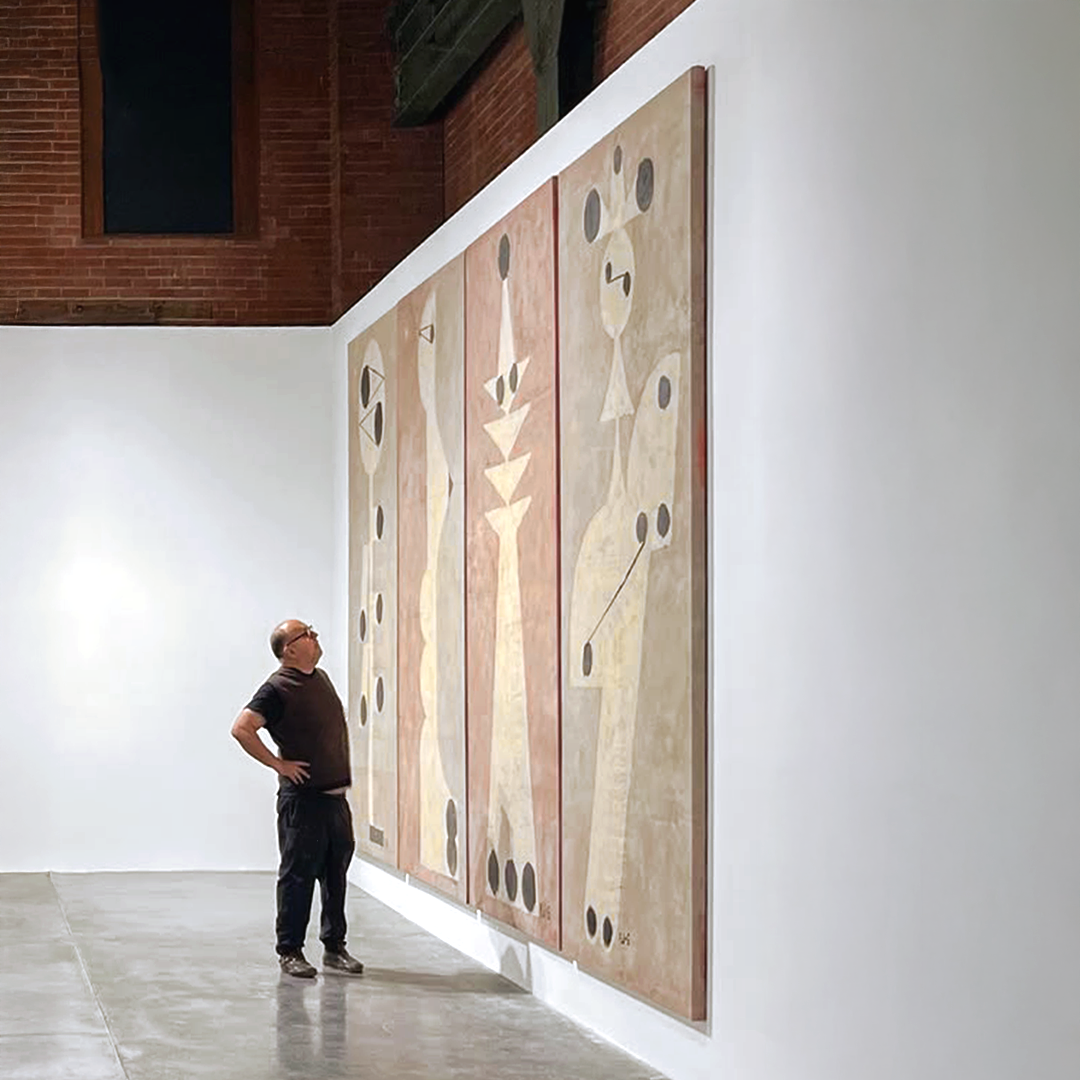
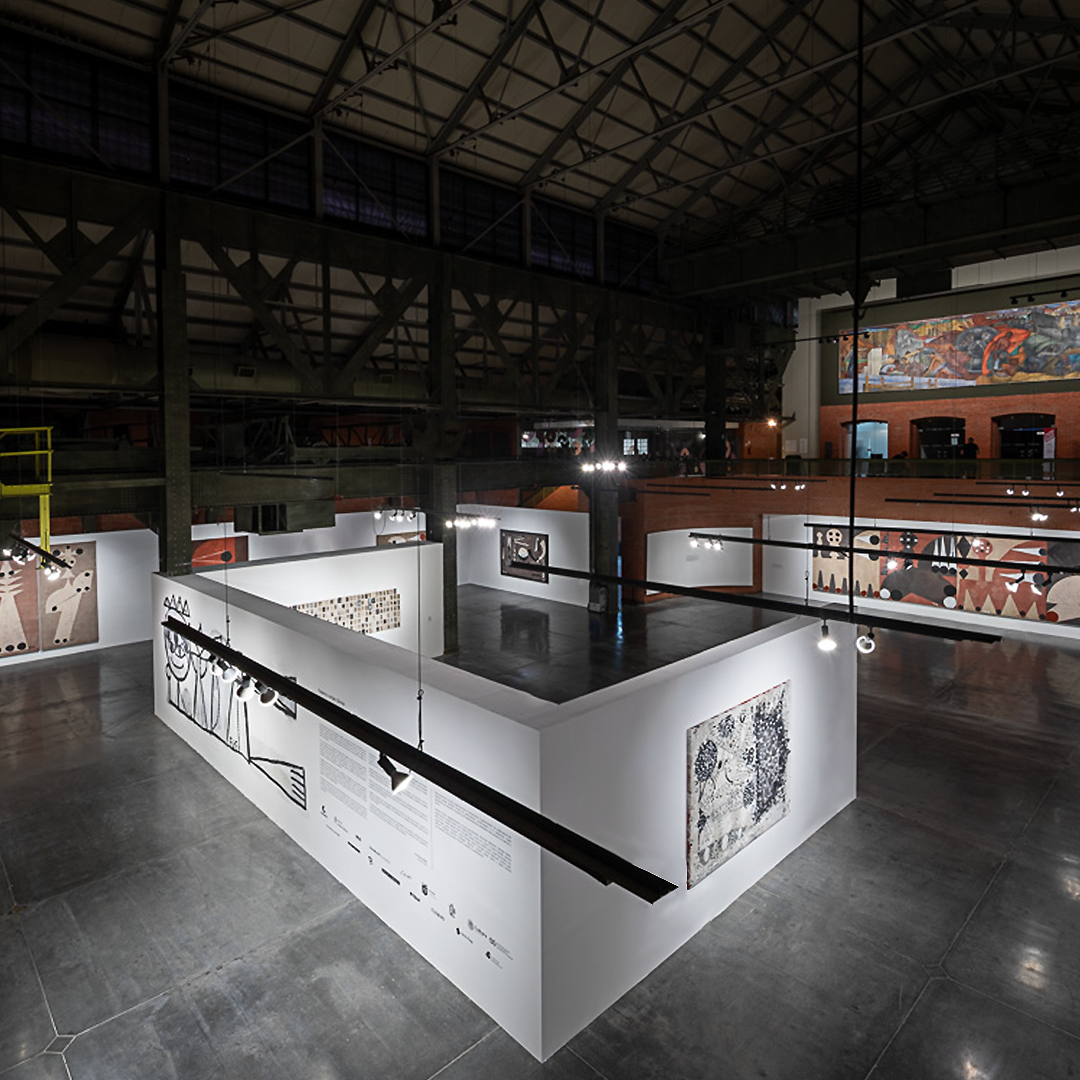
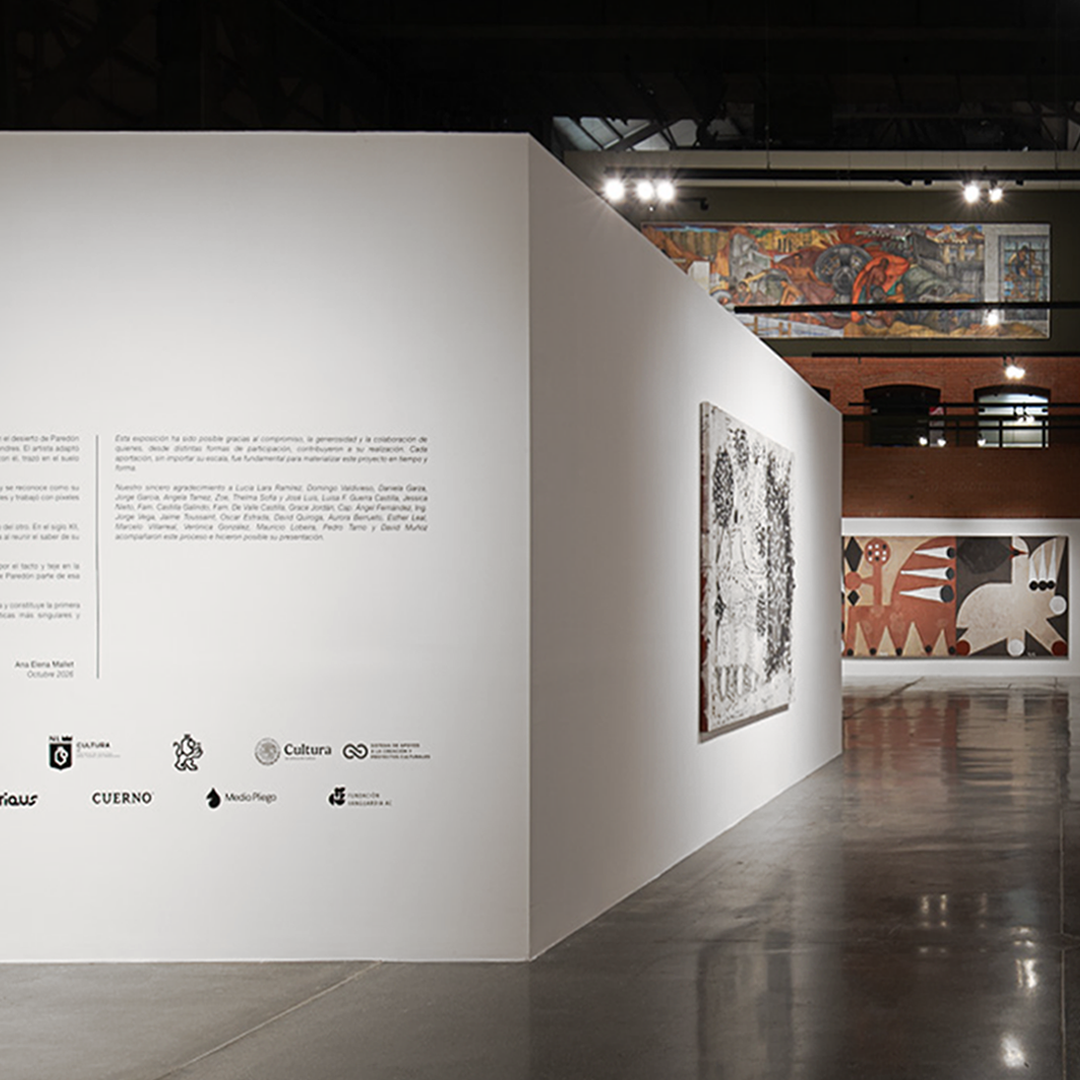
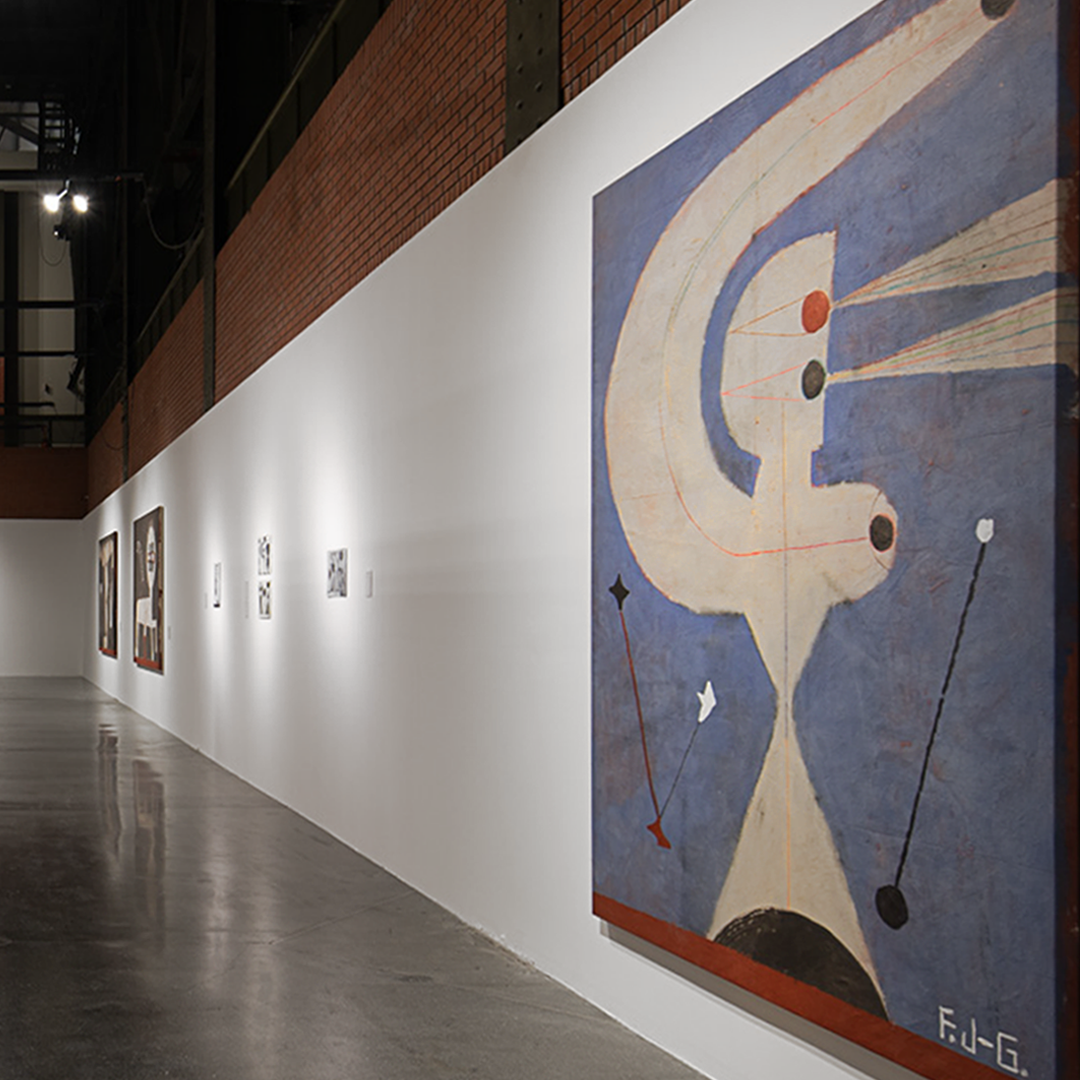
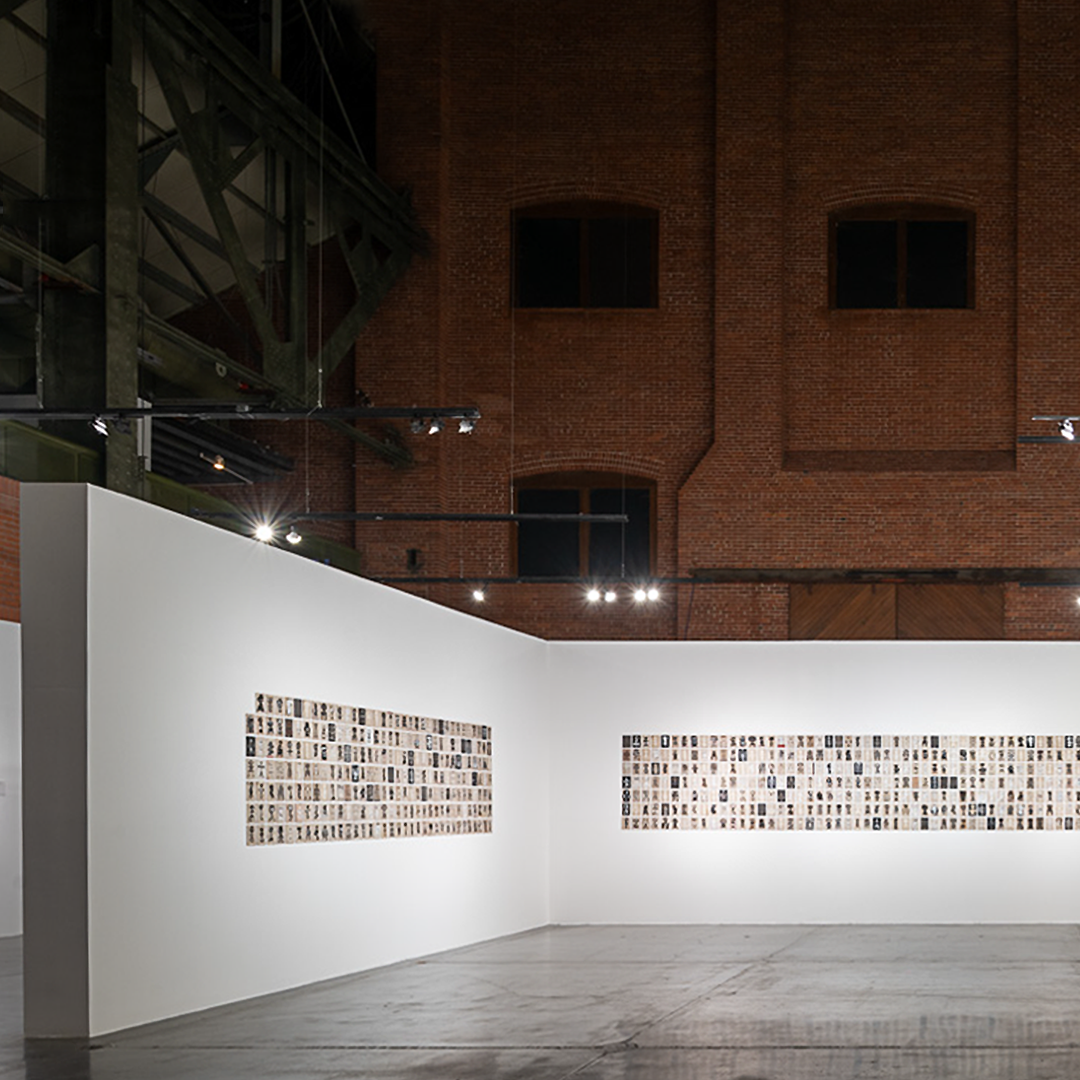
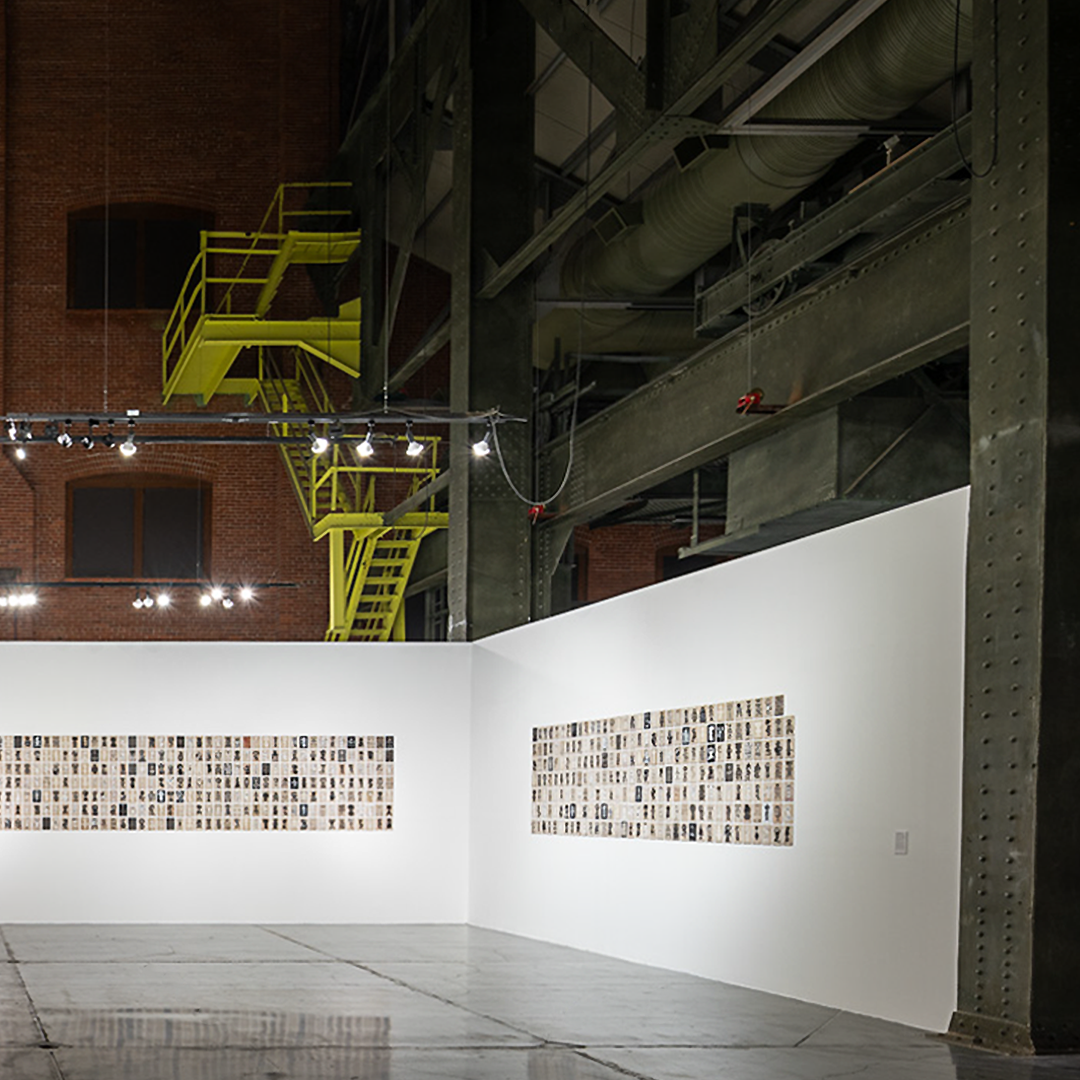
Quia pulvis es et in pulverem reverteris, dust you are and to dust you shall return, is the phrase spoken every Ash Wednesday that gives this exhibition its title. On one such Wednesday, while welcoming a group of students to his studio in Paredón, Coahuila, Federico Jordán became acutely aware of the weight of the earth with which he painted. The exhibition brings together recent work in which more than thirty five years of practice and a lifetime of reflection converge.
On May 17, 1914, the División del Norte took Paredón. It was never documented how many bodies were left abandoned in the dry riverbed; over time, they became one with that soil. Jordán calls this earth his hylé, his raw material, and treats it as a relic. He gathers it and levigates it until it is purified. With it, he has painted 1,111 metal plates measuring 10 × 15 centimeters, one for each soldier, offering a brief prayer of intercession upon completing each one. Gathered together, the plates weigh nearly half a ton and form a memorial.
His palette is limited to earth from Paredón, La Minita, and La Angostura, along with mineral oxides, which he binds with egg tempera and candelilla wax. He works in an open air courtyard that he calls Estudio Aire. There, he folds and drags canvases and metal sheets across the ground, then leaves them to cure in the sun. By burnishing the surface, he opens its pores, allowing the light that enters the earth to reflect as it does in the desert. To name this luminescence, Jordán turns to another Latin phrase, in pulvere fulgebis, in dust you shall shine.
Another body of work emerges from his reading of the Book of Revelation and the manuscripts of Beatus of Liébana. In that text, Jordán finds the image of a society struggling to catch its breath after a period of suffocation. From this reading arise a series of stelae, a tetramorph, and a polyptych measuring more than ten meters dedicated to the Four Horsemen, all painted with the same earth.
The exhibition also includes Arado, an action Jordán carried out in the Paredón desert and in vacant lots in Saltillo, and later presented in London. The artist adapted a seventeenth century plow to use as a large scale pencil and, with it, traced ephemeral drawings across the ground, documenting them from the air with a drone.
Jordán studied under José Salat Figols at the Academia de San Carlos and sees himself as an heir to the treatises of Cennino Cennini and Ralph Mayer. For years, he worked as an illustrator for international publications using pixels and vectors; from that craft, he retains a narrative clarity. For him, art is founded on caritas, love understood as care for the other. In the twelfth century, the abbess Herrad of Landsberg compared herself to a small bee as she gathered the knowledge of her era in the Hortus Deliciarum. Jordán compares himself to a small spider that knows the world by touch and weaves nearly invisible structures in the shadows. His tribute to the soldiers of Paredón stems from that same humility.
In Pulverem presents the current state of an ongoing investigation and constitutes the first institutional approach to the work of Jordán, one of the most singular and compelling practices in the contemporary art of northern Mexico.
Ana Elena Mallet, October 2026